
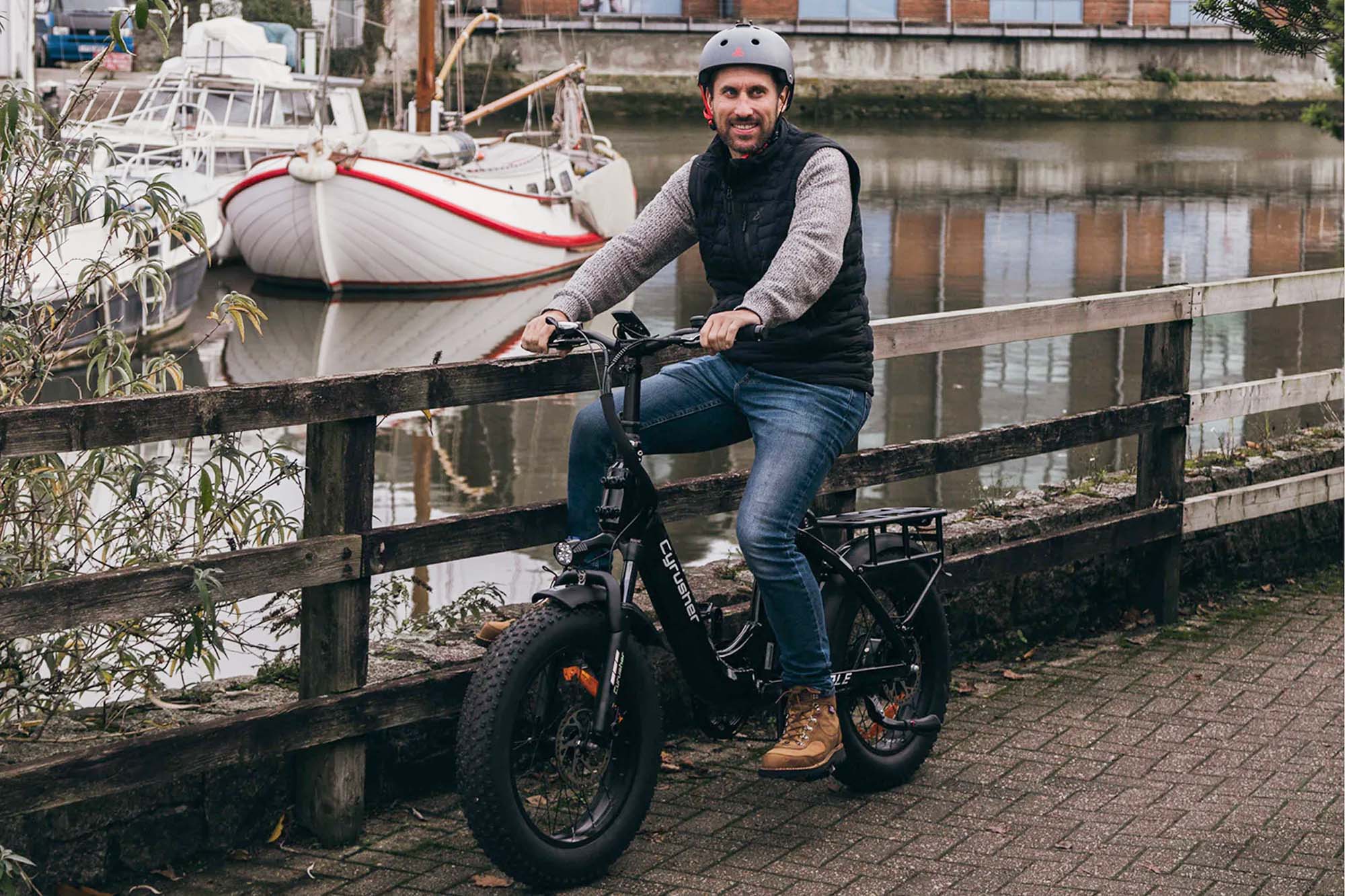
Winter doesn’t mean your e-bike has to hibernate in the garage. With the right preparation and mindset, winter e-bike riding can be safe, enjoyable, and even refreshing. Still, winter brings challenges you simply can’t ignore. Snow, ice, low temperatures, and reduced daylight all demand smarter riding habits. This guide walks you through practical, real-world tips for safe e-bike riding in winter.
Why Winter E-Bike Riding Requires Extra Care
How Cold Weather Affects Riders
Cold weather is sneaky. You may feel fine when you start riding, but wind chill builds fast once you’re moving. Fingers stiffen, reaction times slow, and fatigue creeps in earlier than expected. Winter riding requires more energy, both physically and mentally. Staying warm isn’t just about comfort; it directly affects control and safety.
How Winter Conditions Impact E-Bikes
E-bikes react differently in winter compared to warm seasons. Batteries lose efficiency in low temperatures, tires lose grip on cold pavement, and brakes behave differently when wet or icy. Understanding these changes helps you adapt instead of being caught off guard.

Preparing Your E-Bike for Winter Riding
Winter Tire Choices and Traction
Tires are your first line of defense in winter. Standard summer tires harden in cold weather, reducing grip. Winter-rated tires stay flexible and bite into slippery surfaces better.
Studded Tires vs Fat Tires
Studded tires shine on ice. Tiny metal studs grip frozen surfaces like claws, offering confidence where normal tires fail. Fat tires, on the other hand, float better on snow and slush thanks to their wider footprint. If your winter routes include ice, studded tires are worth the investment. For snow-covered trails, fat tires provide stability and comfort.

Brake Performance in Cold Conditions
Braking distances increase in winter. Cold air, wet rims, and icy surfaces all reduce braking power. Hydraulic disc brakes usually perform better than mechanical ones in winter, but even the best brakes need extra stopping distance. Test your brakes before every ride and adjust your expectations on the road.
Battery Care and Cold Weather Efficiency
Cold temperatures slow battery chemistry. This means shorter range and reduced power output. Keep your battery indoors before rides, install it just before heading out, and avoid leaving it in freezing conditions after your ride. Think of your battery like your phone on a cold day—it works best when warm.
Dressing Smart for Winter E-Bike Rides
Layering for Warmth and Mobility
Winter riding clothing is all about layers. A moisture-wicking base layer keeps sweat off your skin. An insulating middle layer traps heat, while a windproof outer layer blocks cold air. Avoid bulky clothing that restricts movement. You want warmth without feeling like a stuffed snowman.

Protecting Hands, Feet, and Face
Hands and feet suffer first in cold weather. Insulated gloves designed for cycling allow you to brake and shift comfortably. Waterproof boots or shoe covers keep feet warm and dry. A balaclava or neck gaiter protects your face from biting wind, making long rides much more bearable.
Visibility and Reflective Clothing
Winter days are short, and visibility drops fast. Reflective jackets, ankle bands, and gloves help drivers spot you sooner. Bright colors cut through gray skies and falling snow. When visibility is poor, being seen matters as much as seeing.
Riding Techniques for Winter Safety
Adjusting Speed and Braking
Winter riding rewards patience. Slowing down gives you more time to react and reduces the risk of skidding. Brake earlier and more gently than usual. Instead of grabbing brakes suddenly, apply smooth, steady pressure. Imagine your brakes are made of glass—firm but gentle.
Cornering and Balance on Slippery Roads
Sharp turns are risky on cold pavement. Lean less and turn wider. Keep your body upright while allowing the bike to lean slightly beneath you. This technique improves balance and reduces the chance of sliding out.
Riding Steady
Snow hides hazards. Ice is unpredictable. Slush behaves like grease. When riding in these conditions, stay relaxed and let the bike move naturally beneath you. Sudden steering inputs can cause loss of control. Think smooth, calm, and steady.
Reading Winter Road Conditions
Winter roads change quickly. Shaded areas freeze faster. Bridges and overpasses ice over before regular pavement. Watch tire tracks from cars to identify safer paths, but remember that what works for four wheels doesn’t always work for two.
Sharing the Road in Low Visibility
Drivers have reduced visibility in winter too. Snowy windshields, fogged windows, and glare from headlights all increase risk. Ride defensively and assume drivers may not see you immediately. Clear hand signals and predictable movements go a long way.
Choosing Safer Paths and Trails
Not all routes are equal in winter. Bike paths may be less maintained than roads, while quiet neighborhood streets might be safer than busy traffic lanes. Choose routes that are regularly cleared and avoid steep hills when conditions are icy.
Timing Your Ride for Better Conditions
Midday rides often offer warmer temperatures and better road conditions. Early mornings and late evenings tend to be colder and icier. Timing your ride wisely can make winter e-bike riding much safer and more enjoyable.
Winter riding is as much mental as physical. Confidence comes from preparation, not bravado. Accept that winter rides are slower and more deliberate. When you ride with awareness and respect for conditions, winter becomes less intimidating and more rewarding.
Post-Ride Care and Maintenance
Clean tips
Road salt is brutal on bike components. After winter rides, wipe down your frame, chain, and drivetrain. Removing moisture and salt prevents rust and extends the life of your e-bike.
Storage Tips
Store your e-bike in a dry place, preferably indoors. Remove the battery and keep it at room temperature. Let your bike dry completely before storage to avoid corrosion and electrical issues.
Conclusion
Safe e-bike riding in winter is all about preparation, patience, and smart decisions. From choosing the right tires to adjusting your riding style, every small change adds up to a safer experience. Winter doesn’t have to end your e-bike season. With the right approach, it can become one of the most satisfying times to ride. Respect the conditions, take care of your equipment, and enjoy the quiet beauty that only winter riding can offer.
FAQs
1. Can I ride an e-bike on snow safely?
Yes, with proper tires, slower speeds, and careful handling, snow riding can be safe.
2. How cold is too cold for e-bike batteries?
Below freezing reduces performance, but storing and warming batteries helps maintain range.
3. Should I lower tire pressure in winter?
Slightly lower pressure improves grip, but avoid going too low to prevent pinch flats.
4. Is winter e-bike riding harder than summer riding?
It requires more awareness and preparation, but it’s manageable with the right setup.





Share:
2026 Best Winter E-Bikes
Cyrusher & GOVX: Special discount for those who serve