
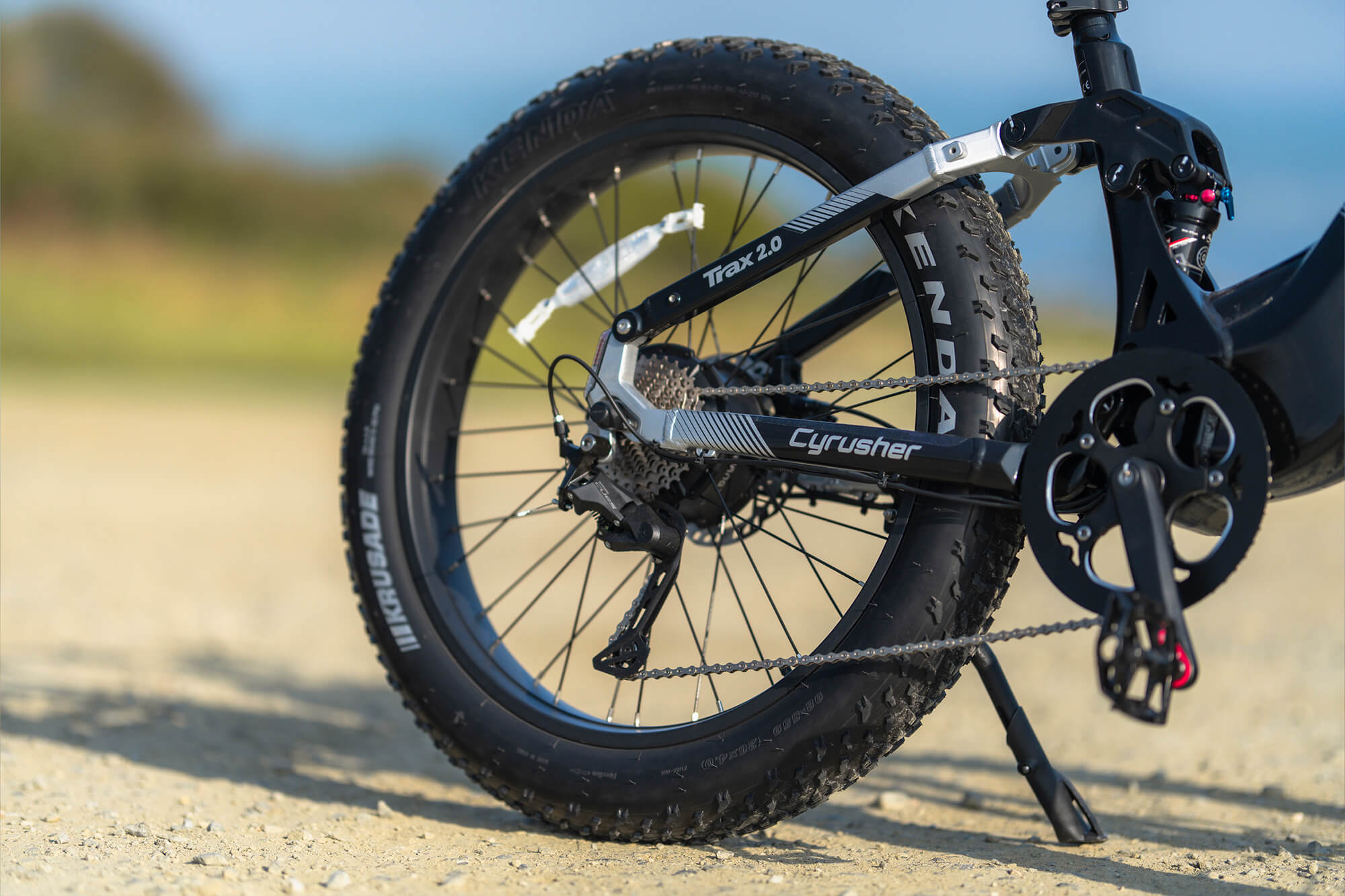
Your e-bike tires carry more than just your body weight. They carry the added load of a motor, battery, and often higher speeds than a traditional bicycle. That extra stress means your tires work harder every single ride. If you ignore maintenance, small problems quietly grow into expensive repairs, sudden blowouts, or dangerous loss of control. This article will introduce tips for maintaining your tyres, ensuring a safer and more comfortable ride.
The Anatomy of an E-Bike Tire
An e-bike tire isn’t just rubber wrapped around a rim. It’s a carefully engineered structure built to handle torque, weight, and sometimes rough terrain. The tread is the part you see most clearly. It grips the road or trail and determines how stable you feel in corners or on loose gravel. Road tires usually have smoother tread patterns for efficiency, while off-road or fat tires feature deeper grooves for traction.
Beneath the tread sits the casing. This layer gives the tire its shape and flexibility. Stronger casings are common on e-bike-specific tires because of the added motor torque. Then you have sidewalls, which protect against cuts and help maintain structure under pressure. Some tires also include puncture-resistant belts made of Kevlar or similar materials. Understanding these layers helps you inspect your tires properly. When you know where problems typically occur—like sidewall cracks or uneven tread wear—you’re far more likely to catch issues early instead of reacting after a flat.

Tread
Tread is more than decoration. It controls traction, water dispersion, and rolling resistance. Smooth center lines reduce drag for commuting, while aggressive knobs grip dirt and mud. If you ride mainly on pavement, worn tread may reduce wet traction significantly. On trails, shallow knobs can mean slipping under torque. Paying attention to how your tread interacts with your riding style is key to smart maintenance.
Sidewalls, Casings, and Reinforcement Layers
Sidewalls are often ignored until they crack or bulge. Yet they endure constant flexing. Look for small cuts, fraying threads, or bubbles. These signs often appear before a catastrophic failure. Reinforced layers help prevent punctures, but they aren’t magic shields. Regular inspection keeps small weaknesses from becoming major failures.
How the Tire Pressure Affect E-Bike Performance
Tire pressure might be the single most important maintenance factor. Underinflated tires increase rolling resistance, drain your battery faster, and wear unevenly. Overinflated tires feel harsh, reduce traction, and are more prone to blowouts. Because e-bikes are heavier, maintaining correct pressure is even more critical than with standard bicycles.
Many riders underestimate how quickly pressure drops. Temperature changes alone can shift PSI noticeably. A cold morning ride might reduce pressure enough to affect handling. Invest in a reliable floor pump with a pressure gauge. Check your tires at least once a week if you ride regularly. It takes two minutes and can dramatically extend tire life.
How to Find the Correct PSI for Your Ride
The recommended PSI is printed on the tire sidewall. That number shows a range, not a fixed point. Heavier riders or cargo loads may require higher pressure within that range. If you ride off-road, slightly lower pressure can improve grip. Commuters on pavement may prefer higher pressure for efficiency. The key is balance between comfort, grip, and efficiency.

What Happens When Pressure Is Too Low or Too High
Too low, and your tire flexes excessively. This leads to premature sidewall wear and pinch flats. Too high, and you reduce contact area, increasing slipping risk. In extreme cases, high pressure combined with heat can cause sudden tire failure. Neither scenario is ideal when traveling at higher e-bike speeds.
How Often Should You Check Your E-Bike Tires?
Consistency beats intensity. You don’t need a deep inspection every day, but you do need regular awareness. Before each ride, do a quick squeeze test. It’s not precise, but it tells you if something feels obviously wrong. Weekly, check PSI properly and visually inspect tread and sidewalls. Monthly, give the tires a deeper look, rotating the wheel slowly and checking for embedded debris.
If you commute daily, your maintenance schedule should be tighter. Heavy mileage wears tires faster.
How to Clean Your E-Bike Tires
Dirt hides problems. Mud, small stones, and road grime can mask cuts or lodged glass. Cleaning your tires isn’t about vanity. It’s about visibility. Use mild soap, water, and a soft brush. Rotate the wheel and gently scrub the tread. Avoid harsh chemicals that dry out rubber.
After cleaning, inspect carefully. Look for sharp objects embedded in tread grooves. Remove them with tweezers if necessary. Pay attention to sidewalls. Small cracks may appear more clearly after dirt is removed. Let the tires dry naturally. Clean tires not only last longer but also give you better grip, especially in wet conditions.
Every tire tells a story. Uneven wear might suggest incorrect pressure. Bald patches indicate it’s nearing replacement time. Cuts or punctures may look minor but can expand under load. Take your time during inspection. Spin the wheel slowly and examine every inch.
Check wear indicators
Some tires include small wear indicators molded into the tread. When these disappear, it’s time to replace the tire. If your tire lacks indicators, measure tread depth visually. When grooves become shallow and smooth, traction decreases significantly. Riding on worn tread reduces safety in wet conditions.
How to Prevent Flats
Flat tires are frustrating. But many are preventable. Puncture-resistant tires, liners, and sealants add extra protection. If you ride in urban areas with debris, consider upgrading to reinforced tires. Tubeless systems with sealant automatically seal small punctures before you even notice them.
Prevention is cheaper than repair. Regular inspection combined with protective upgrades dramatically reduces flat frequency. It also gives peace of mind. Nothing ruins a commute faster than being stranded with a flat and a heavy e-bike to push home.

Sealants and Tubeless Options
Tubeless setups eliminate inner tubes and use liquid sealant inside the tire. When small punctures occur, sealant plugs the hole instantly. This system reduces pinch flats and often lowers overall maintenance frequency. However, sealant must be replenished periodically to remain effective.
When to Replace Your E-Bike Tires
Replacing tires at the right time prevents accidents. Waiting too long increases risk of blowouts and loss of grip. Most e-bike tires last between 1,000 to 3,000 miles depending on terrain, pressure, and riding style. Aggressive acceleration shortens lifespan.
Warning Signs
Cracked sidewalls, exposed casing threads, repeated flats in the same area, and severely worn tread all indicate replacement time. If you feel instability while cornering, inspect immediately. Tires are cheaper than hospital bills.
Seasonal Tire Care for Different Riding Conditions
Winter Riding and Cold Temperature Effects
Cold air reduces pressure. Rubber stiffens, reducing traction. Check PSI more frequently in winter. Consider tires designed for wet or icy conditions if you ride year-round. Cold also makes rubber more brittle, so avoid underinflation which increases stress.
Summer Heat and Tire Expansion
Heat increases pressure. Leaving your e-bike in direct sunlight can raise PSI beyond safe limits. Always check pressure during heat waves. High temperatures also accelerate rubber aging. Storage in shaded areas protects tire integrity.
Ebike Tire Storage Tips
If you store your e-bike for weeks or months, inflate tires to recommended pressure and keep the bike in a cool, dry place. Avoid hanging it in ways that stress one tire excessively. Periodically rotate wheels slightly to prevent flat spots. Proper storage preserves rubber elasticity.
Common E-Bike Tire Maintenance Mistakes
Many riders overinflate for speed, thinking harder means faster. Others ignore pressure completely. Some forget to check tread until it’s nearly bald. The biggest mistake is waiting for failure before acting. Tire care works best as a habit, not a reaction.

Conclusion
Maintaining your e-bike tires is not just about avoiding flats. It’s about maximizing performance, protecting your investment, and ensuring every ride feels stable and efficient. From monitoring pressure and cleaning tread to inspecting sidewalls and adapting to seasonal changes, proper tire care transforms your overall riding experience. E-bikes generate more torque and carry more weight than standard bicycles, so tire attention must match that demand. Build a simple routine, stay observant, and replace tires before they become a risk. Your safety and riding enjoyment depend on it.
FAQs
1. How often should I pump my e-bike tires?
Check pressure weekly if you ride regularly. Adjust before long rides or when temperatures change significantly.
2. Do e-bike tires wear out faster than regular bike tires?
Yes, because of added weight and motor torque. Proper pressure helps slow the wear rate.
3. Can I use regular bicycle tires on my e-bike?
It depends on speed and power rating. Many e-bikes require reinforced tires designed for higher loads.
4. What causes repeated flats on an e-bike?
Low pressure, debris-heavy routes, worn tread, or damaged rims are common causes.
5. Is tubeless better for e-bikes?
For many riders, yes. Tubeless systems reduce punctures and improve reliability, especially for commuting or trail riding.





Share:
Why the Ebike Real Range Is Different from the Manufacturer’s Range
Best E-Bike for Casual Cycling