

As urban traffic becomes more congested and people increasingly pursue healthier outdoor lifestyles, more and more individuals are choosing e-bikes for daily transportation. For beginners, however, riding an e-bike for the first time can feel intimidating due to concerns about balance, safety, and handling complex road conditions. As a result, fat-tire e-bikes—known for their greater stability and beginner-friendly riding experience—are becoming an increasingly popular choice among new riders. In this guide, we’ll explore why fat-tire e-bikes are ideal for beginners, how to choose the right fat-tire e-bike for your needs, and how to maintain it properly in daily use.
What Is a Fat-Tire E-bike?
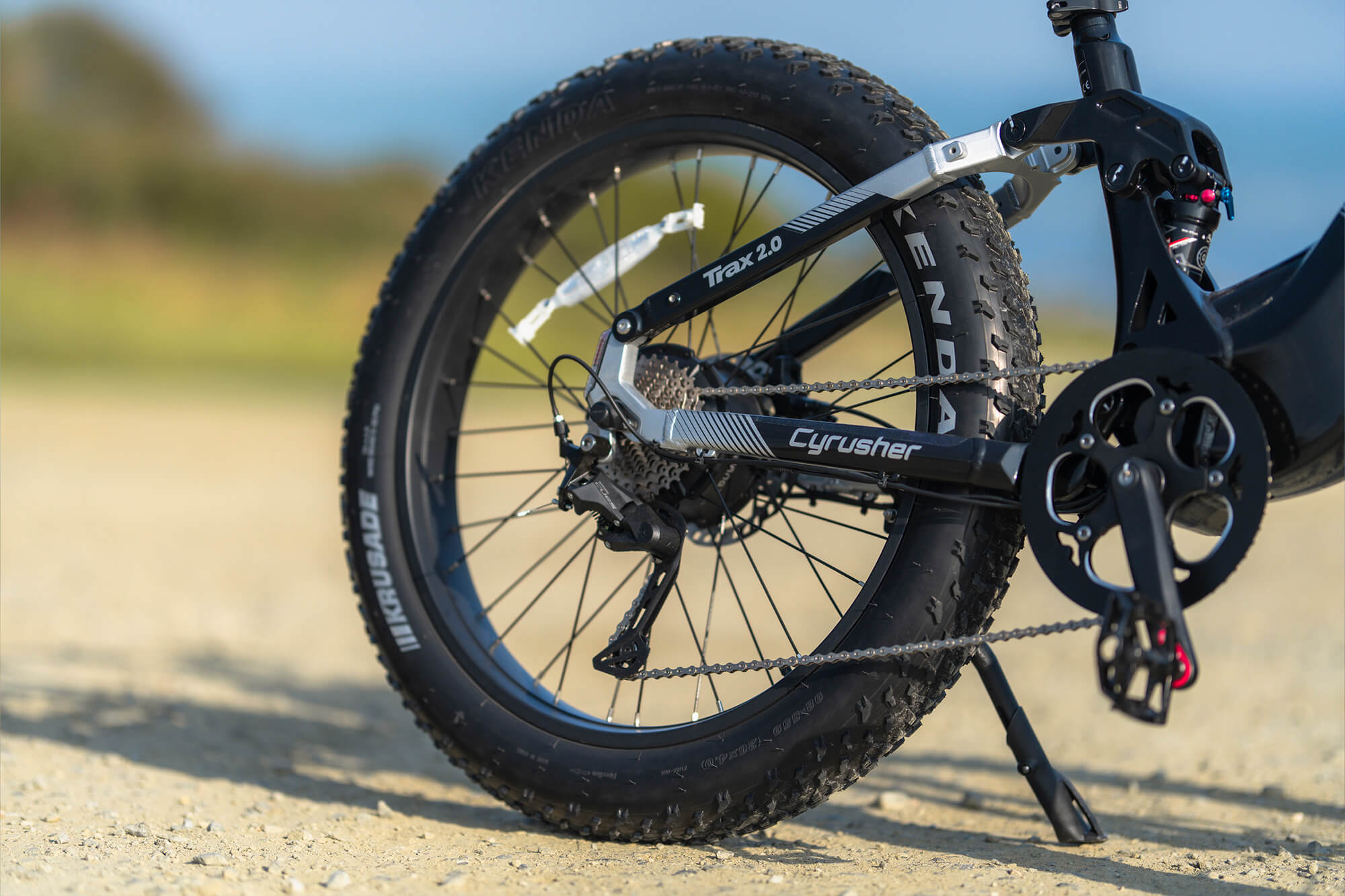
Before we discuss why they are suitable for beginners, let’s first understand what fat-tire e-bike is. The most distinctive feature of fat-tire bikes is their extra-wide tires. Standard city bikes typically have tires measuring just 1.2–1.5 inches, whilst mountain bikes are around 2.0–2.5 inches; in contrast, fat-tire bikes usually have tires around 4 inches wide, or even wider. This type of bike was originally designed to tackle challenging terrain such as snow and sand. With advances in motor and battery technology, electric assistance has overcome the issues of heavy weight and high rolling resistance associated with fat bikes. Today, fat-tire e-bikes have become a popular choice, offering a combination of stability, comfort and all-terrain capability, and are now a common sight for both urban commuting and outdoor cycling.

Why Are Fat-Tire Bikes Better for Beginners?
The design characteristics of a fat-tire e-bike directly counter the primary fears of a novice rider. They fundamentally transform the riding experience through five distinct advantages.
More Stable, Making It Easier to Build Riding Confidence
The most noticeable thing when riding a fat-tire e-bike is its stability. Because the wide tires provide a larger contact patch with the ground, the bike maintains its balance more easily and is less prone to wobbling, particularly when setting off and riding at low speeds. For beginners who are afraid of losing their balance, this solid, steady ride effectively reduces anxiety and makes it easier to build confidence on the bike.
Natural Shock Absorption for a More Comfortable Ride
Fat tires naturally absorb shocks thanks to their large air volume and lower tire pressure. They reduce road vibrations, making rides smoother and less tiring. This added comfort helps prevent wrist and joint strain, especially during long rides, making fat-tire e-bikes more beginner-friendly and enjoyable for women and middle-aged riders.
Better Adaptability to Complex Terrain
Fat-tire bikes can handle far more than mountain trails. They perform well on city roads, gravel paths, sand, snow, and grass, giving riders confidence across different terrain. Because beginners often cannot predict road conditions, the fat bike’s versatility and stability make it especially suitable for learning and everyday riding.
High Margin for Error, Making Crashes Less Likely
Unlike narrow tires that require precise control, fat tires are far more forgiving. Their wider contact area improves stability on rough roads, speed bumps, and slippery surfaces after rain. For beginners, common urban hazards like gravel, painted lines, or gaps between sidewalks and roads can easily cause a loss of balance. Fat tires provide better traction and shock absorption, helping riders stay in control and reducing the risk of falls.
Electric Assist + Fat Tires = The Easiest Combination for Beginners
Although fat-tire bikes are usually heavier than standard models, the electric motor easily compensates for the extra weight. Electric assist makes climbing hills and long-distance riding much easier, reducing fatigue for beginners. As a result, riders are less likely to feel overwhelmed, making cycling more accessible and enjoyable from the start.
What Should Beginners Look For When Buying a Fat-Tire E-Bike?
Purchasing an e-bike is an investment. To avoid buyer’s remorse, keep these five technical criteria in mind.
Battery Capacity and Range
Fat-tire bikes consume slightly more power due to their weight and rolling resistance. Choosing a larger-capacity battery ensures more reliable range and peace of mind during rides.
Pay Attention to Bike Weight
Weight is another important consideration. If you frequently need to carry the bike upstairs or lift it often, an overly heavy frame can be inconvenient. Beginners should avoid overly large or high-powered models and prioritize bikes that are easy to handle and control.
Suspension System

Riding comfort is closely related to the suspension system:
Hydraulic or Air Suspension: Both effectively absorb road vibrations and enhance the riding experience, especially on gravel, sand, or slippery surfaces. For beginners who prioritize stability and low maintenance, hydraulic suspension is more suitable. For those seeking a lighter ride and adjustable damping for a personalized experience, and who are willing to handle more maintenance, air suspension is preferable.
Front Fork and Rear Shock Options: Beginners can choose a bike with just a front suspension fork, which is sufficient for most urban and light off-road riding. Models with rear suspension are heavier and better suited for long-distance rides or outdoor leisure activities.
Pedal Sensor Type
The pedal sensor determines the responsiveness of the electric assist system, which is central to fat-tire bikes:
Cadence Sensor: Adjusts motor assistance based on pedaling speed, suitable for casual riding with smooth starts.
Torque Sensor: Adjusts motor assistance according to pedaling force, providing a more natural riding feel, suitable for riders who prefer active control of their pace.
Cadence&Torque Sensor: Some models feature both sensors, balancing comfort and precise motor assistance.
Motor Torque

Understanding motor torque is especially important for beginners. Torque, measured in Newton-meters (Nm), affects starting ease and hill-climbing performance. For ordinary urban commuting, beginners can choose motors with 25–40 Nm torque, while riders tackling long slopes or complex terrain may prefer motors with 50 Nm or higher.
Fat-Tire Bikes Are Not the “Perfect Bike”
To maintain an objective perspective, beginners must recognize that fat-tire e-bikes are not without tradeoffs. They are heavier to lift, bulkier to store in tight hallways, and potentially yield a slightly lower maximum battery range due to increased rolling resistance. They are also less efficient than narrow-tire road bikes on long-distance, high-speed highway journeys. However, for a true beginner, these efficiency trade-offs are minor. Fundamental qualities like stability, safety, and comfort are often vastly more important than maximizing engineering efficiency or saving a few ounces of weight.
Premium Models Designed for Beginners
Choosing the right platform can streamline your introduction to riding. Here is a curated selection of highly accommodating fat-tire models tailored to diverse needs:
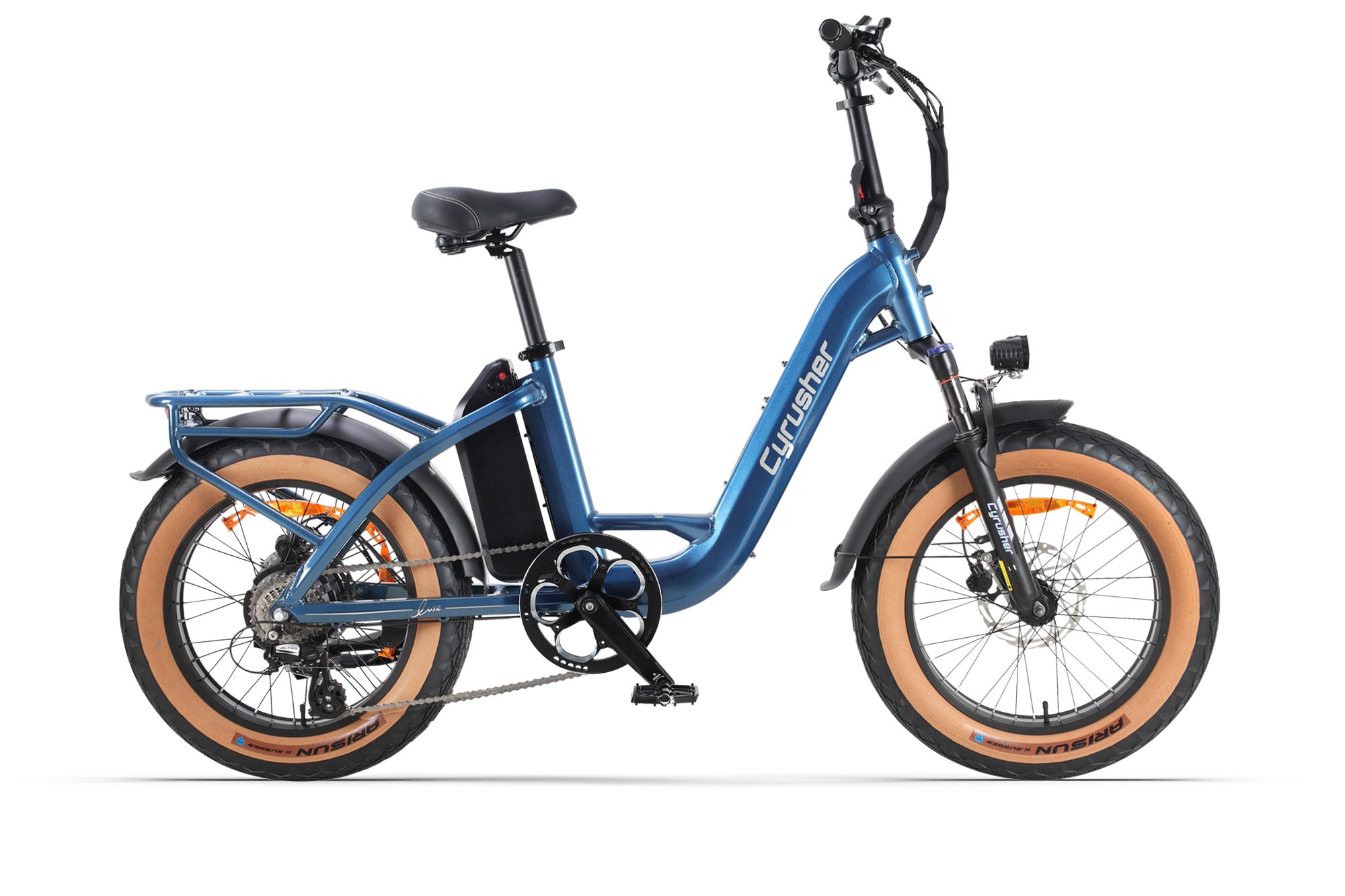
Luxe: Electric City Bike
The Luxe is an ideal beginner-friendly fat-tire e-bike, combining stable 20×4.0" tires, a comfortable step-through frame, smooth torque-sensing power, and reliable hydraulic brakes for a safer, easier, and more confidence-inspiring riding experience.

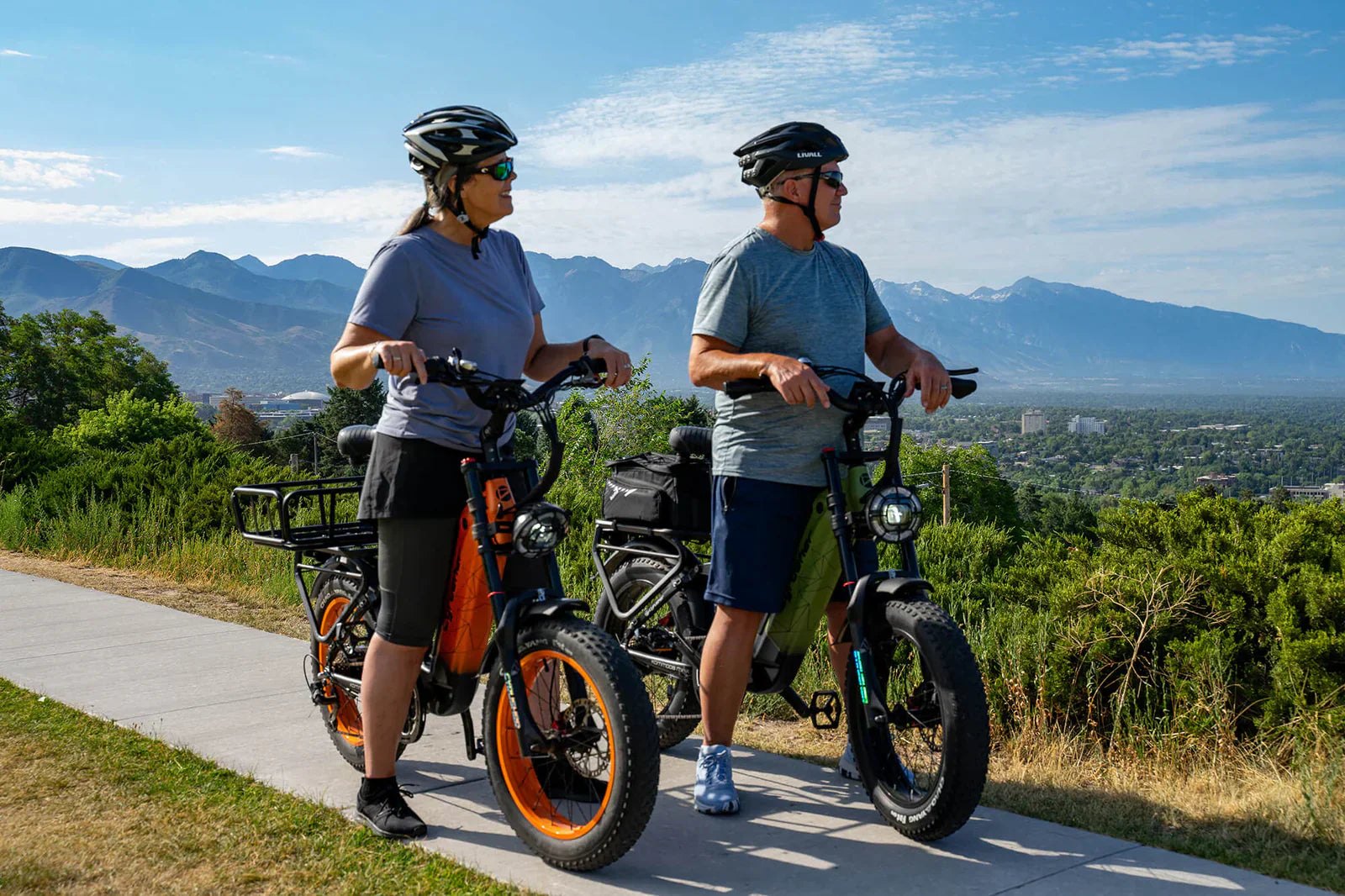
Kommoda 3.0: Effortless Step-Through Ride for Total Comfort
Whether you’re new to biking, returning after time away, or simply want a smoother ride, the Kommoda 3.0 adapts to you. Its advanced torque sensor provides just the right boost based on your pedaling, while the step-through frame and upright posture ensure comfort and confidence every time you ride.

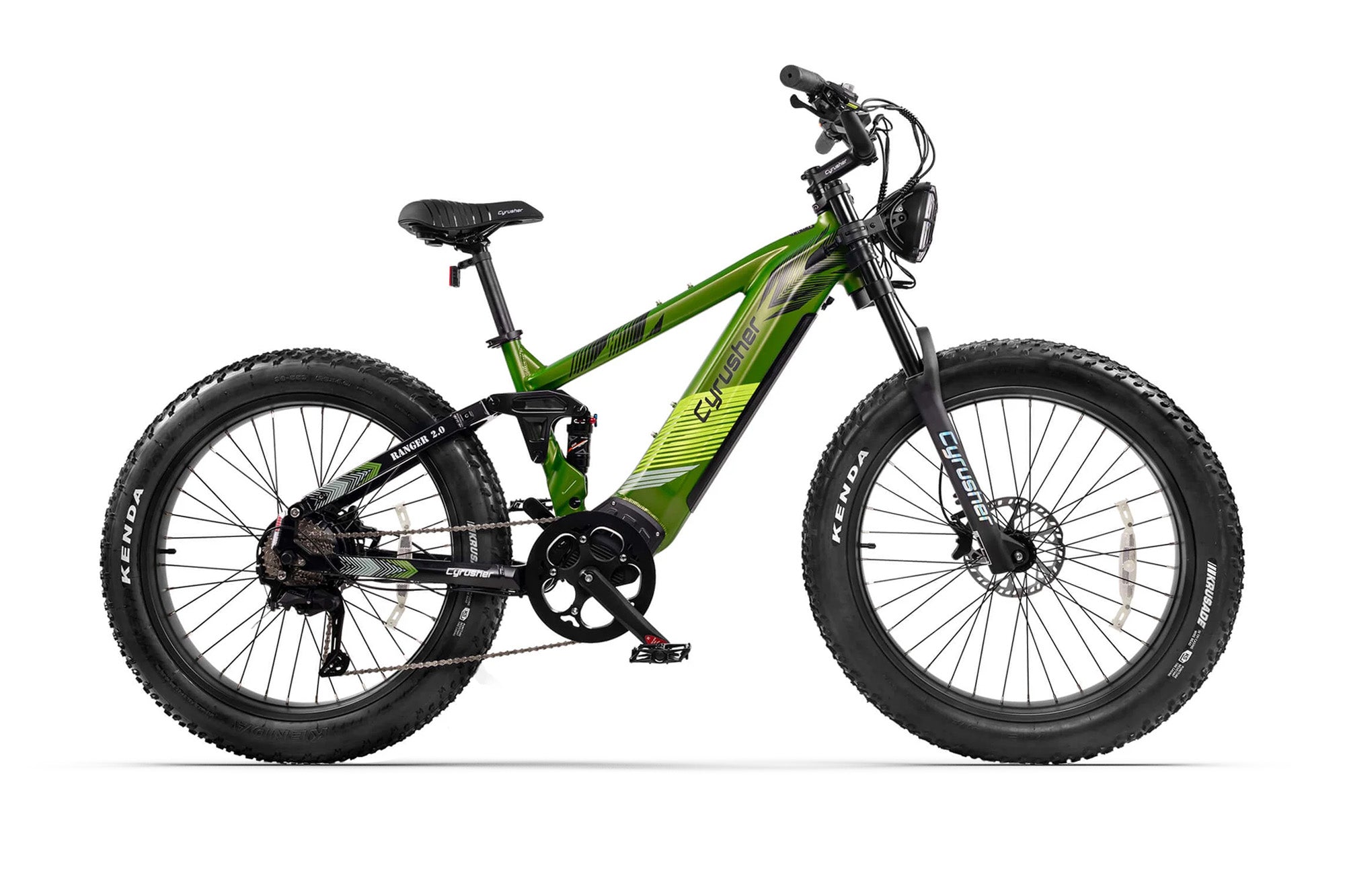
Ranger 2.0: Mountain All Terrain Air shock Electric Bike
If you’re keen to explore the great outdoors like a true adventurer, this all-terrain fat-tire ebike is the perfect choice. With its sturdy frame and powerful motor, it’ll take you from city streets all the way to forest trails in the countryside.

Essential Daily Maintenance Guide for Beginners
Owning a fat-tire e-bike requires basic care to keep it operating safely. Luckily, routine upkeep can be summarized in three straightforward habits:
Tire Pressure Management
Get into the habit of adjusting your tire pressure based on where you plan to ride. Use very low pressure if you intend to tackle soft snow or deep sand to maximize your footprint; increase the pressure slightly when sticking to urban commuting to reduce drag and conserve battery power.
Basic Cleaning and Lubrication
Because fat bikes regularly navigate rough, unpaved terrain, mud and abrasive sand can quickly pack into the drivetrain and wear down the chain. Regular rinsing with low-pressure water and applying quality bicycle chain lube are necessary steps to keep shifting smooth and prevent rust.
Brake and Battery Inspection
Your safety relies on your brakes and your power source. Regularly inspect the brake pads for physical wear to ensure you have adequate stopping material left. Concurrently, strictly follow safety guidelines for charging electric bike batteries—never leave them charging unsupervised for extended periods or subject them to extreme temperatures.
Conclusion
Ultimately, fat-tire e-bikes aren’t a niche product reserved strictly for seasoned veterans or extreme off-road enthusiasts. For a novice, they function more like gentle, accommodating “riding mentors” that give beginners an unparalleled, immediate sense of security. If you have been holding back due to a fear of traffic, balance, or steep hills, set aside your anxieties about "fat tires". Visit a local physical store for a test ride, feel the stable footprint for yourself, and hop on to embark on a broader, more adventurous journey of exploration. For many beginners, an e-bike that makes you feel confident, willing, and comfortable riding is the only one truly suited for getting started.
FAQ
Do fat-tire bikes use a lot of battery power?
Fat-tire bikes use slightly more battery power because of their wider tires and heavier weight, but larger batteries and stronger motors help maintain practical riding range.
Are fat bikes suitable for women?
Yes. Fat-tire bikes are popular among women because they provide greater stability and comfort. Many models also feature step-through frames, making it easier and safer to get on and off the bike.
Are fat bikes suitable for commuting?
Yes, they are highly effective commuters. While they aren't built for racing, their ability to easily roll over potholes, streetcar tracks, wet leaves, and sudden speed bumps makes a daily urban commute significantly safer and far less stressful.
Are fat bikes definitely suitable for off-road riding?
Yes. Fat-tire bikes were originally designed for off-road terrain. Their wide tires and strong traction allow them to handle gravel, mud, sand, and snow more easily, making them a versatile option for riders of different skill levels.
Are fat tire bikes heavier than regular bikes?
Yes. Fat tire bikes are generally heavier because of their wider tires and reinforced frames.




Share:
Best Comfortable Electric Bikes for Adults Over 50: The Ultimate Guide to Easy Adventure
Summer E-Bike Riding Guide