
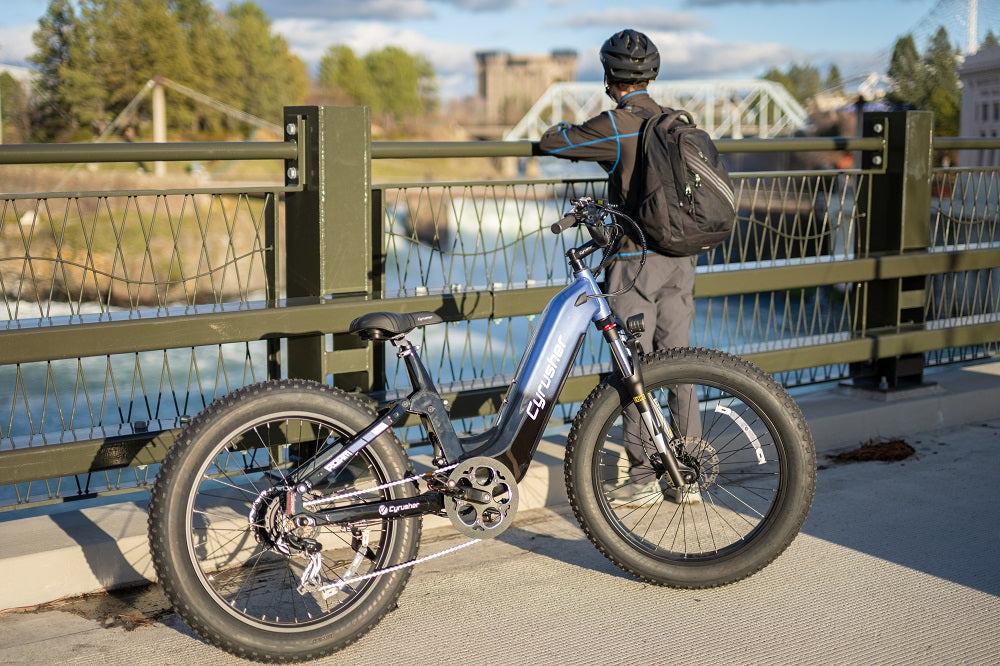
When you buy an electric bike, one of the first things you look at is the advertised range. “Up to 60 miles.” “Up to 100 kilometers.” It sounds simple and promising. But after a few rides, many riders realize something: the real ebike range is often lower than what the manufacturer claims. Why does this happen? Is the number misleading, or are there other factors at play?
How Manufacturers Calculate Electric Bike Range
Before assuming the range is exaggerated, it’s important to understand how it’s calculated. The manufacturer’s range is usually measured under ideal test conditions. Real-world riding, however, is rarely ideal. Understanding the difference between laboratory range and real ebike range can help you set realistic expectations, choose the right electric bike, and maximize battery life.
Most electric bike brands test their models in controlled environments, using a lightweight rider (around 65–75 kg), flat terrain, no wind, low pedal assist, steady speed, optimal tire pressure, and a fully charged lithium-ion battery. Under these conditions, the bike hits peak efficiency—the motor draws minimal power, the battery drains slowly, and you get an "ideal" range that reflects best-case performance.
This number is often labeled as “up to” range. The phrase matters. It does not mean every rider will achieve that distance. Instead, it represents the maximum possible electric bike range under perfect conditions.
In real life, your commute might include hills, traffic stops, heavier loads, or strong headwinds. Each of these variables changes how much energy the motor consumes. That’s where the gap between advertised and real ebike range begins.
The Foundation of Ebike Range
At the core of every electric bike range calculation is battery capacity, usually measured in watt-hours (Wh). Watt-hours tell you how much energy the battery can store.

In simple terms, a higher watt-hour rating means more stored energy. But even with a large battery, real range depends on how fast that energy is used.
Think of it like a fuel tank in a car. A bigger tank allows for longer travel, but fuel efficiency still depends on how you drive. Aggressive acceleration, high speeds, and steep climbs will burn through energy quickly.
Many riders focus only on motor power (250W, 500W, 750W), but battery capacity is just as important for determining real ebike range. A powerful motor paired with a small battery can result in shorter rides than expected.
What Affect E-bike Range
Pedal Assist Level and Throttle Usage
One of the biggest factors influencing electric bike range is how you use the motor. Most ebikes come with multiple pedal assist levels, typically from Eco to Boost mode.
- Low assist (Eco mode): Motor provides minimal support, conserving battery.
- Medium assist: Balanced support and energy usage.
- High assist (Turbo mode): Maximum power, faster battery drain.
If a manufacturer calculates range using the lowest pedal assist level, but you ride mostly in high assist mode, your real ebike range will be significantly lower.
Throttle usage also plays a major role. Using the throttle without pedaling turns your ebike into a lightweight electric scooter. This consumes far more battery power than pedal assist mode, where your legs share the workload.
Riders who rely heavily on throttle often experience range that is 20–40% lower than advertised. Simply reducing throttle use and increasing pedaling effort can dramatically extend electric bike range.
Terrain and Elevation Changes
Flat roads are kind to your battery. Hills are not.
Climbing hills requires more torque from the motor. The motor draws higher current from the battery, increasing energy consumption. If your daily ride includes steep inclines, your real ebike range may drop significantly compared to flat-road testing results.
Downhill sections can help conserve energy, but they rarely compensate fully for the extra power used during climbs. Even moderate rolling terrain increases overall battery demand.
Off-road riding, such as gravel trails or mountain paths, also reduces efficiency. Uneven surfaces create rolling resistance, forcing the motor to work harder. That’s why electric mountain bikes often have shorter real-world range compared to city ebikes, even with similar battery sizes.

Rider Weight and Cargo Load
Weight matters more than many people realize. The heavier the total load (rider + cargo), the more energy the motor needs to maintain speed. For example, A 60 kg rider will typically achieve longer range than a 95 kg rider on the same bike. Adding panniers, child seats, or groceries increases battery consumption. Cargo ebikes carrying 20–30 kg of additional load can see a noticeable drop in electric bike range.
Manufacturers often use average rider weight during testing. If your body weight or cargo exceeds that benchmark, your real ebike range will naturally be lower.
It’s simple physics. More mass requires more force to move, especially when accelerating or climbing.
Wind and Weather Conditions
Wind resistance plays a huge role in ebike efficiency—riding into a strong headwind feels like climbing a hill that never ends, as the motor compensates by drawing more power to maintain speed.
Cold weather hides another big factor. Lithium-ion batteries are sensitive to low temperatures, where chemical reactions slow down, effective capacity shrinks, and voltage drops faster. This can slash real-world ebike range by 10–30% in winter. Storing and charging at room temperature helps preserve performance.
Even rain and wet roads increase rolling resistance, delivering a slight but noticeable hit to your range.
Tire Pressure and Maintenance
Sometimes, the difference between an electric bike's advertised range and its real-world performance boils down to basic maintenance. For instance, underinflated tires ramp up rolling resistance, forcing the motor to work harder and drain the battery faster. Simply keeping your tires properly inflated can noticeably boost your range.
Other upkeep issues play a role too. A dirty or dry chain creates extra friction, while misaligned brakes might rub against the wheel, and worn drivetrain components add drag.
When your ebike is well-maintained, it runs more efficiently and delivers range figures much closer to what manufacturers claim.

Riding Style and Speed
Speed is one of the most underestimated factors affecting real ebike range.
Higher speeds increase aerodynamic drag. Air resistance grows exponentially as speed increases. Riding at 28 mph (45 km/h) uses significantly more energy than cruising at 15 mph (25 km/h).
Manufacturers often test range at moderate, steady speeds. But in real life, riders accelerate, brake, and vary speed frequently. Each acceleration requires extra power.
Smooth, steady riding with gradual acceleration can extend range considerably. Think of it like driving a car efficiently versus racing between stoplights.
Battery Age and Health
Over time, lithium-ion batteries naturally degrade after hundreds of charge cycles, with capacity gradually decreasing—a 750Wh battery might only deliver 650Wh after a few years, directly cutting your electric bike's range.
Proper care can slow this down. Avoid frequent full discharges, store at 40–60% charge when not in use, keep it away from extreme heat, and always use the original charger.
As the battery ages, it's normal for real ebike range to drop compared to that first year of ownership.
Why riders have range anxiety?
Range anxiety isn’t just for electric cars. Many ebike riders worry about running out of power mid-ride. The gap between advertised and real range can amplify this fear. But once you understand the variables, you gain control. Range becomes predictable rather than mysterious.
Using range calculators, monitoring watt-hour consumption, and learning your typical usage patterns can help you plan rides confidently. Some modern ebikes even provide smart displays that estimate remaining range based on real-time riding behavior.
Is the Manufacturer Lying About Range?
Not usually. They test under ideal laboratory-style conditions. Real-world riding is messy and unpredictable. The difference isn’t dishonesty. It’s context. Understanding that difference helps you set realistic expectations. Choosing the Right E-Bike Based on Realistic Range Needs If your commute is 30 miles round trip and the bike claims 40 miles max range, that’s risky. Aim for at least 30–50% buffer beyond your real needs. Consider terrain, weather, and riding style before choosing battery size. Bigger batteries provide flexibility—but efficiency habits stretch any battery further.
How to Maximize Your Ebike Range
While you can’t control the weather or terrain, you can improve efficiency with practical steps:
- Use lower pedal assist levels when possible.
- Maintain steady speeds.
- Keep tires properly inflated.
- Reduce unnecessary cargo weight.
- Shift gears appropriately when climbing.
- Charge and store your battery correctly.
- Avoid full throttle usage for long periods.
Small adjustments can lead to noticeable improvements. Many riders are surprised to see 10–20% range increases just by changing riding habits.
Choosing an Ebike with Realistic Range Expectations
If long-distance riding matters to you, prioritize battery capacity and efficiency over raw motor power. Focus on the watt-hour (Wh) rating, motor efficiency, bike weight, your intended use—like commuting, mountain biking, or cargo—and the manufacturer's transparency about testing conditions.
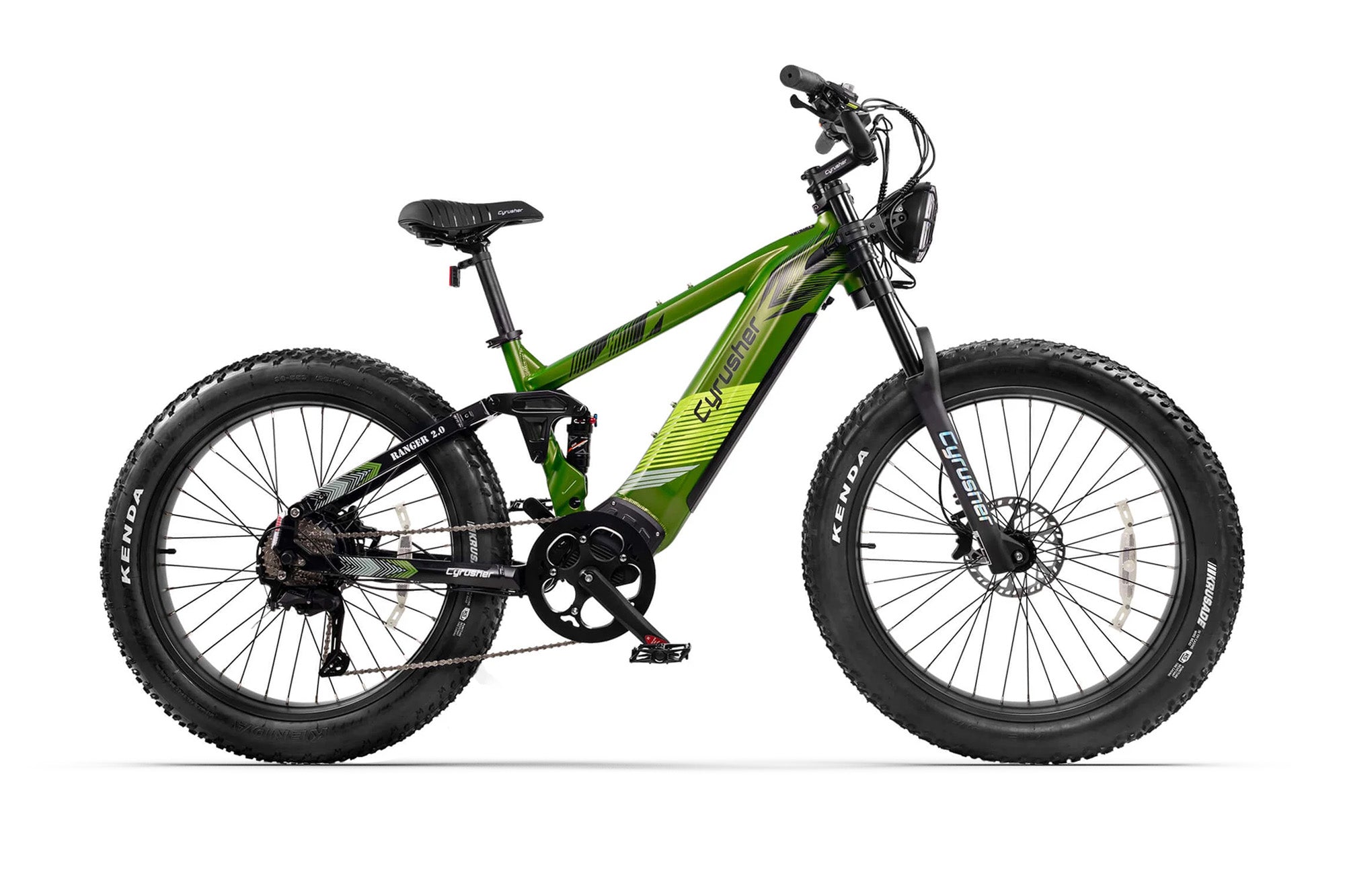
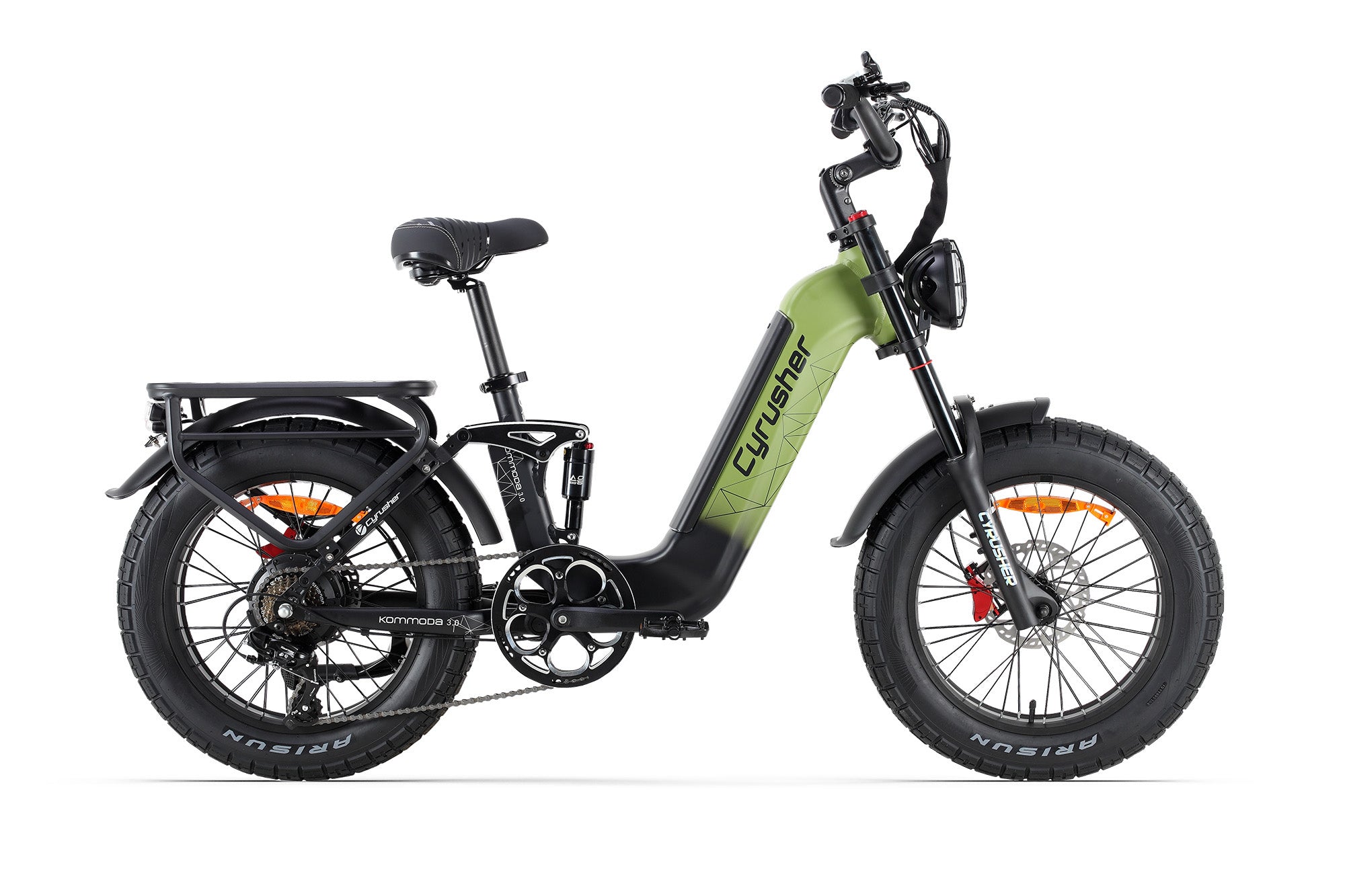
Cyrusher ebike offers a choice of e-bikes equipped with different battery capacities. For riders looking for more mileage and power, the RANGER 2.0 with a 52V 20ah battery provides a reliable range. Riders looking for more portability can also choose the Kommoda step-through ebike with a 48V 20ah battery for even more adventurous freedom.

Remember, the manufacturer's range isn't false—it's just optimized for ideal scenarios. Your real ebike range will reflect your unique riding conditions.
Conclusion
The difference between real ebike range and manufacturer’s range comes down to real-world variables. Battery capacity, rider weight, terrain, assist level, speed, weather, and maintenance all play critical roles in determining how far your electric bike can travel on a single charge.
Manufacturers measure range under ideal conditions, but everyday riding is dynamic and unpredictable. Once you understand the factors that affect electric bike range, you can adjust your habits, care for your battery properly, and make informed purchasing decisions.




Share:
Can I Buy a Cheap E-Bike?
How to Maintain E-Bike Tire