
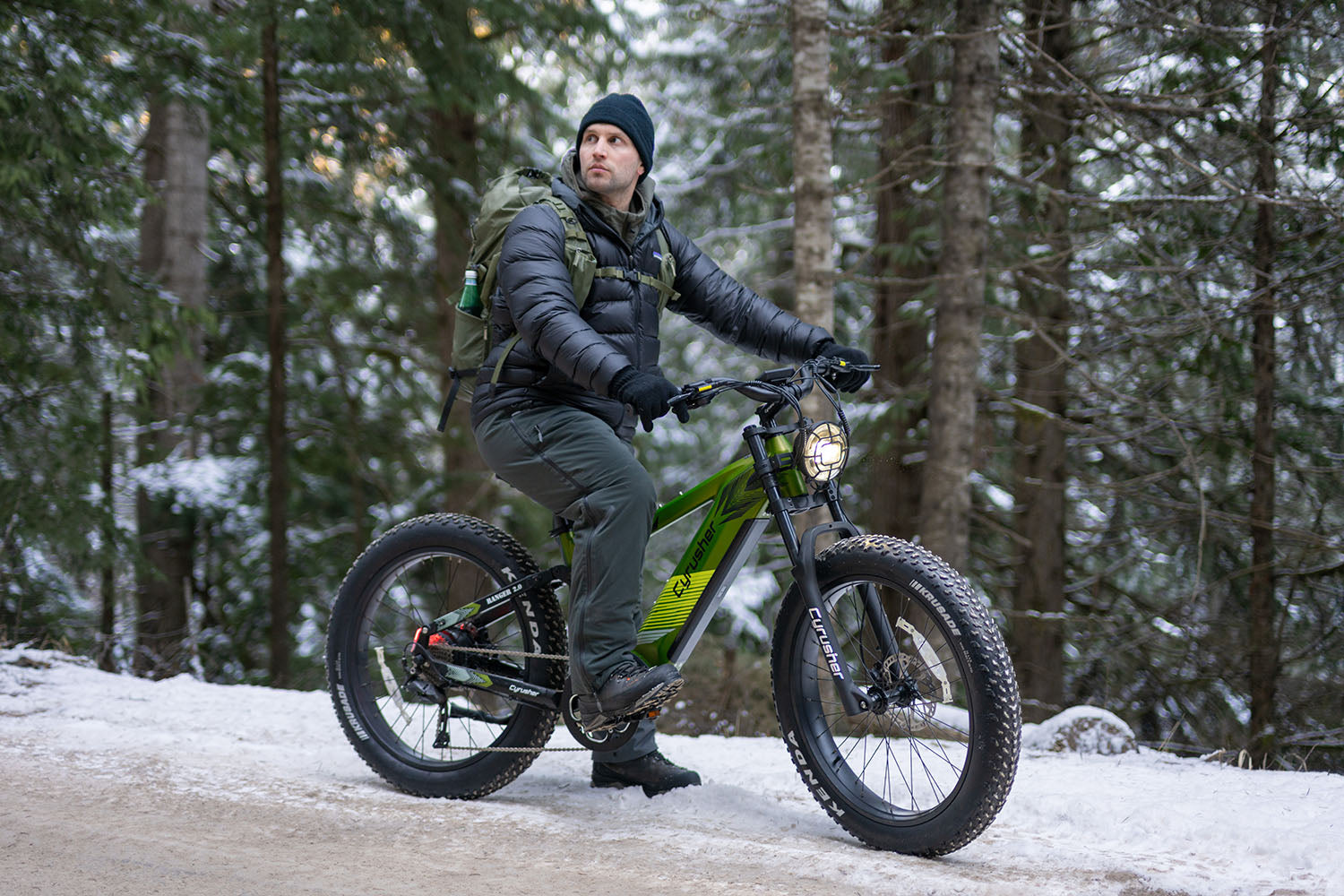
Charging an e-bike battery in winter requires a different approach than charging in warm seasons. Low temperatures directly affect battery chemistry, charging efficiency, long-term capacity, and overall riding safety. We have prepared this full winter e-bike battery charging guide to help riders protect battery health, extend lifespan, and maintain reliable performance throughout the cold months.
Why Winter Affects E-bike Battery Charging
Lithium-ion batteries, which power almost all modern e-bikes, rely on chemical reactions that slow down in cold temperatures. When the battery gets cold, internal resistance increases, meaning energy flows less efficiently. This directly impacts both charging speed and capacity.
In winter, a battery that normally charges in four hours may take significantly longer or fail to reach a full charge. More importantly, charging an e-bike battery when it is too cold can cause lithium plating, a process where metallic lithium forms inside the battery cells. This damage is irreversible and reduces both range and lifespan.
Most manufacturers recommend charging e-bike batteries only when their internal temperature is above 10°C (50°F). Below this point, charging becomes risky.
How Cold Weather Affects Battery Efficiency and Range
Even when charged properly, winter temperatures reduce overall riding range. Cold batteries deliver power less efficiently, which increases energy consumption per mile.
Riders can expect 10% to 30% reduced range in winter depending on temperature, terrain, and riding style.
Maintaining proper tyre pressure and using lower assist levels helps compensate for winter range loss.

How to Prepare Your E-Bike Battery for Winter Charging
Before charging an e-bike battery in winter, preparation matters more than the charger itself. Start by removing the battery from the bike if possible. Many e-bike designs make this easy and it dramatically reduces exposure to cold.
Once indoors, place the battery on a dry, stable surface away from direct heat or moisture. Let it acclimate to room temperature gradually. If the battery feels cold to the touch, it is not ready to charge yet.
Check the charging port for condensation or moisture, especially if you rode in snow or freezing rain. Moisture can cause corrosion or short circuits when charging. Wipe the battery clean with a dry cloth and allow any hidden moisture to evaporate before connecting the charger.
How to Safely Charge an E-Bike Battery in Winter
Bringing the battery indoors after a cold ride is the most effective winter charging practice. We recommend placing the battery in a dry, room-temperature environment and allowing it to rest for at least one to two hours before plugging it in. This waiting period lets internal cells stabilize and reach a safe charging temperature.
Charging should always be done using the manufacturer-approved charger, as third-party chargers may lack cold-weather voltage regulation. A stable indoor outlet with no extension cords further reduces charging risks.
How Long to Charge an E-Bike Battery in Winter
Charging time may increase slightly in winter due to slower chemical reactions. However, modern smart chargers automatically regulate current flow to prevent overcharging.
We recommend allowing the battery to reach 80% to 90% charge for daily winter use, as this range reduces stress on battery cells. Full 100% charging should be reserved for longer rides.
Avoid leaving the battery plugged in overnight during winter, as prolonged trickle charging in fluctuating indoor temperatures can degrade long-term battery health.
Best Habits to Extend Battery Life in Cold Weather
Cold weather places extra strain on an eBike battery, but smart daily habits can significantly slow down wear and keep performance stable throughout winter.
-
Avoid Charging to 100% Every Time
In cold weather, charging the battery to full capacity on a daily basis increases cell stress, especially if the battery cools down quickly after charging. Keeping the charge level between 80% to 90% for regular rides helps reduce chemical strain and extends overall battery lifespan. Save full charges for longer rides when extra range is truly needed.
-
Charge More Often, but in Shorter Sessions
Instead of draining the battery completely, top it up more frequently. Shallow charging cycles are easier on lithium-ion cells, especially in winter when voltage drops faster.
-
Ride at a Steady, Moderate Pace
Aggressive acceleration and constant use of high assist levels pull large amounts of current from the battery, which is harder for cold cells to deliver efficiently. Riding smoothly, maintaining a consistent speed, and using lower assist modes reduces battery stress and improves winter range.
-
Use a Battery Cover or Insulation Sleeve
A thermal battery cover helps retain warmth during rides, especially in freezing temperatures or strong wind. Keeping the battery slightly warmer improves power delivery and reduces sudden voltage drops.
-
Store the Battery at a Healthy Charge Level
If you are not riding daily, store the battery at around 40% to 80% charge. Check the charge level every few weeks during winter and top up slightly if needed.
-
Keep Charging Equipment Clean and Dry
Winter moisture, road salt, and condensation can affect charging ports and connectors. Wipe the battery and charger regularly and ensure everything is fully dry before plugging in. Clean connections reduce resistance and improve charging efficiency.
-
Plan Routes to Reduce Power Demand
Choosing flatter routes and avoiding frequent stop-and-go riding lowers energy consumption. Less strain on the battery means less heat loss and more consistent performance, which is especially valuable in cold conditions.


When Should You Replace the Battery
Knowing when to replace your e-bike battery is just as important as knowing how to charge it properly, especially after several winters of use. Cold-weather riding and charging habits can accelerate natural battery aging, so recognizing the warning signs early helps you avoid sudden failures
-
Noticeably Reduced Riding Range
If your bike can no longer cover even half the distance it once could on a full charge, and this issue continues in warmer weather, the battery cells have likely degraded. While winter temporarily reduces range, permanent loss that does not recover in spring usually signals that the battery has reached the end of its usable life.
-
Battery No Longer Holds a Full Charge
When a battery consistently stops charging at 70–80% or drops quickly after unplugging, internal cell imbalance or wear is often the cause.
-
Sudden Power Drops While Riding
If the motor cuts out unexpectedly even though the display shows remaining charge, the battery may no longer deliver stable voltage. Cold weather can expose this issue faster, but if it continues in mild conditions, replacement is usually the safest option.
-
Charging Takes Much Longer Than Before
A battery that takes significantly longer to charge than it used to, despite using the same charger and indoor conditions, may have increased internal resistance.
-
Visible Damage or Swelling
Any swelling, cracking, leaking, or unusual heat during charging is a serious safety warning. Cold-related damage can sometimes trigger these issues, and a battery showing physical defects should be replaced immediately and not used again.
Common Winter Charging Mistakes
Many winter battery failures result from avoidable mistakes. Charging immediately after riding in freezing weather exposes cold cells to high voltage stress. Using fast chargers in winter can further amplify internal damage.
Another common mistake is leaving the battery mounted on the bike overnight outdoors. Extended cold exposure weakens internal cell balance, even if the battery is not actively charging.
We also discourage storing batteries near heaters or radiators, as rapid temperature changes cause condensation inside the battery casing.


How to Store an E-Bike Battery During Winter Months
If you plan to ride less during winter, proper storage becomes even more important than charging. Store the battery indoors at around 40% to 80% charge. This range minimizes stress on the cells while preventing deep discharge.
Check the battery level every four to six weeks and top it up slightly if it drops below 30%. Never store a battery fully empty or fully charged for long periods, especially in cold environments.
A stable indoor location with moderate temperature and low humidity is ideal. Avoid basements prone to dampness or unheated garages. Batteries should be stored indoors in a dry space at temperatures between 50°F and 70°F (10°C to 21°C). Periodic inspection during storage ensures terminals remain clean and free from moisture buildup.
Conclusion
Modern e-bike batteries are equipped with protection circuits, but these systems cannot override fundamental chemical limitations. Following winter charging guidelines ensures safety systems operate as designed. Charging indoors, monitoring temperature, and avoiding extreme conditions align with manufacturer safety standards and maximize battery investment value.
FAQ
Q: Can I charge my e-bike battery below freezing temperatures?
No. Charging below 32°F (0°C) can permanently damage lithium-ion cells.
Q: Should I remove the battery before winter charging?
Yes. Removing the battery allows safe indoor charging and temperature control.
Q: How long should I wait before charging after a cold ride?
We recommend waiting one to two hours for the battery to warm naturally.
Q: Does winter charging reduce battery lifespan?
Improper charging does. Correct indoor charging preserves long-term battery health.
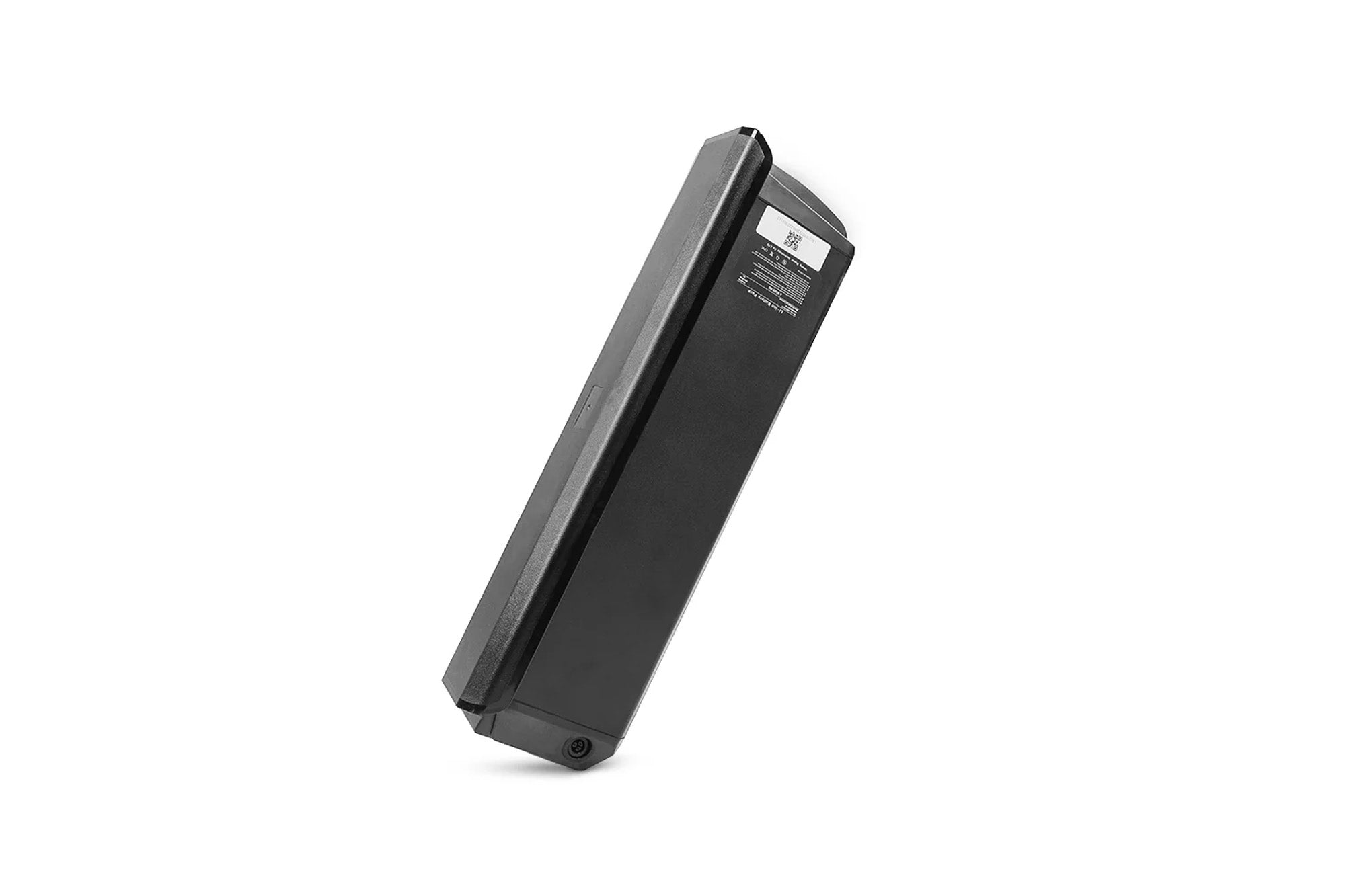
![[Pre-sale-45 days]48V 15Ah Path Battery](http://www.cyrusher.com/cdn/shop/files/48V15Ah-Ebike-Battery-for-Path-4.jpg?v=1761641072&width=2000)





Share:
Can I Ride an E-Bike in The Snow?
2026 Best Winter E-Bikes