

E-bikes offer a smooth, supportive way to stay active without putting stress on your joints. Whether you're managing knee pain, recovering mobility, or simply want a gentler form of exercise, the right e-bike can make movement easier and more enjoyable. This guide explains why e-bikes help with joint comfort, how to choose the best type, how to begin riding safely, and which models suit different needs.
Why E-Bikes Are Great for Joint
E-bikes are one of the most joint-friendly exercise options available today. The pedal-assist motor reduces the pressure normally placed on your knees and hips, letting you move your legs without forcing them to handle your full body weight. This creates a low-impact workout that still builds strength and improves mobility.
The smooth assistance from the motor helps you maintain natural motion. Instead of pushing hard on the pedals, you glide forward with minimal strain. Riders often find they can travel longer and more frequently because the bike does the harder work. This consistency is especially helpful for joint stiffness, encouraging gentle movement that keeps muscles and ligaments active.

Regular riding also increases blood flow to the lower body. This can reduce inflammation and promote healing over time. For many people dealing with arthritis or age-related joint pain, an e-bike is the perfect balance of support and activity.
What to Look for in an E-Bike for Joint Support
Choosing the right e-bike means focusing on comfort, ease of use, and smooth riding performance. A few specific features make a big difference for joint health.
A comfortable frame geometry is the first thing to consider. Bikes designed with relaxed angles help you sit naturally without bending too far forward. Combining this with a step-through frame makes mounting effortless, which is especially important for people with hip stiffness or limited flexibility.
An upright riding position reduces pressure on your wrists, shoulders, and lower back. Handlebars that sit slightly closer and higher keep your body relaxed instead of leaning forward aggressively.
Suspension is another helpful feature. A suspension fork or suspension seatpost softens the impact from bumps and uneven roads. This prevents shock from traveling upward into your knees and spine.
Motor type also matters. Mid-drive motors feel natural and provide smooth assist, but hub motors work well too—especially for casual riders. Look for adjustable pedal assist levels so you can choose how much help you need without straining your joints.
Tire size affects comfort more than most people realize. Wider tires absorb vibrations and add stability, making the ride feel cushioned. They help reduce sudden impacts that could irritate sensitive joints.

Finally, reliable brakes and stable handling ensure you feel safe and confident. This allows you to ride longer without worrying about sudden stops or instability.
How to Choose the Right E-Bike
Everyone’s joint concerns are different, so the best e-bike depends on what kind of support you need.
If you deal with knee pain, look for an e-bike with stronger pedal assist and a smooth motor response. This reduces pressure during each rotation, allowing your knees to move without resistance.
Hip stiffness benefits most from step-through frames and upright seating. These designs eliminate the need to lift your leg high or twist your lower body when getting on or off the bike.
Back or shoulder sensitivity improves with swept-back handlebars and a relaxed riding posture. These keep your upper body stable and aligned, reducing strain over longer rides.
For seniors or anyone with limited mobility, lightweight step-through commuter or cruiser bikes are ideal. They offer excellent balance and are easy to control at lower speeds.

How to Start Riding an E-Bike Safely for Joint Health
Starting slowly is key to protecting your joints while adapting to your new bike. Begin with short, steady rides to allow your muscles and joints to adjust. There’s no need for speed or intensity—gentle movement is what matters most.
Using low to medium pedal assist keeps your joints moving without forcing them. Higher assist levels are helpful for hills, but moderate support encourages natural pedaling.
A properly fitted bike also makes a huge difference. Adjust your saddle height so your legs extend comfortably during each pedal stroke. Raise or tilt your handlebars if you feel pressure in your shoulders or lower back.
Focus on smooth, steady pedaling instead of pushing hard on the pedals. The goal is a fluid rhythm that feels effortless and relaxing.
Recommended E-Bike Models for Joint Comfort
Rumble – Comfort Cruiser ebike
A cruiser-style e-bike usually features wide handlebars, a soft saddle, and upright geometry. It’s great for riders who want a relaxed, easy-going experience with minimal strain. Perfect for neighborhood or city riding.

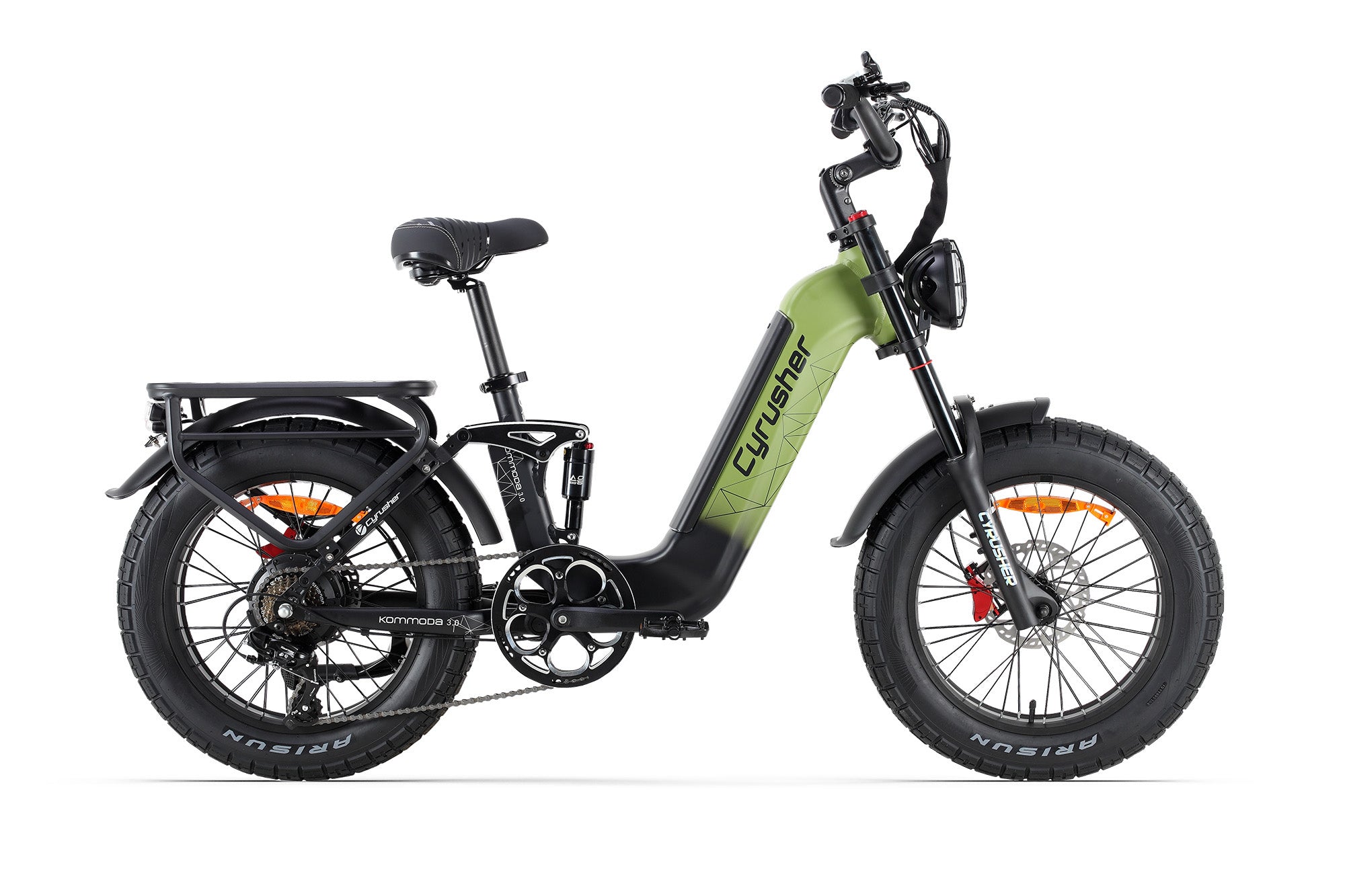
Kommoda 3.0 – Step-Through ebike
Kommoda 3.0 ebike prioritizes accessibility and stability. The open frame makes mounting simple, and the balanced motor helps maintain consistent speed. It’s ideal for riders with hip or knee stiffness looking for smooth daily rides.

Ranger – Full-Suspension Ebike
Ranger with both front and rear suspension provides maximum shock absorption. This reduces impact on sensitive joints and is ideal for riders who want comfort on longer routes or rough terrain.

Conclusion
Choosing an e-bike for joint health is all about comfort, support, and ease of movement. The right bike helps you stay active, reduce pain, and enjoy daily rides without stress on your body. With smooth pedal assist, stable design, and thoughtful features, an e-bike can be one of the most effective tools for improving mobility and well-being. Start slow, pick the model that fits your needs, and enjoy the freedom that gentle cycling brings.
FAQ
1. Are e-bikes good for arthritis?
Yes, e-bikes support gentle movement and reduce impact, making them excellent for arthritis management. But make sure always check your recovery plan first.
2. Is a step-through frame better for joint problems?
It’s an excellent choice because it avoids lifting your leg high, which helps with hip stiffness.
3. Are wide tires better for joint comfort?
Wider tires absorb more vibration, making the ride softer and easier on your joints.
4. How long should I ride if I have arthritis?
Start with short sessions and increase gradually based on comfort.
5. Which motor type feels smoothest for sensitive joints?
Mid-drive motors provide the most natural pedaling feel, but hub motors also work well for casual comfort rides.








Share:
2026 Best E-bike Gifts for the New Year
How to Make Your Commute More Comfortable