
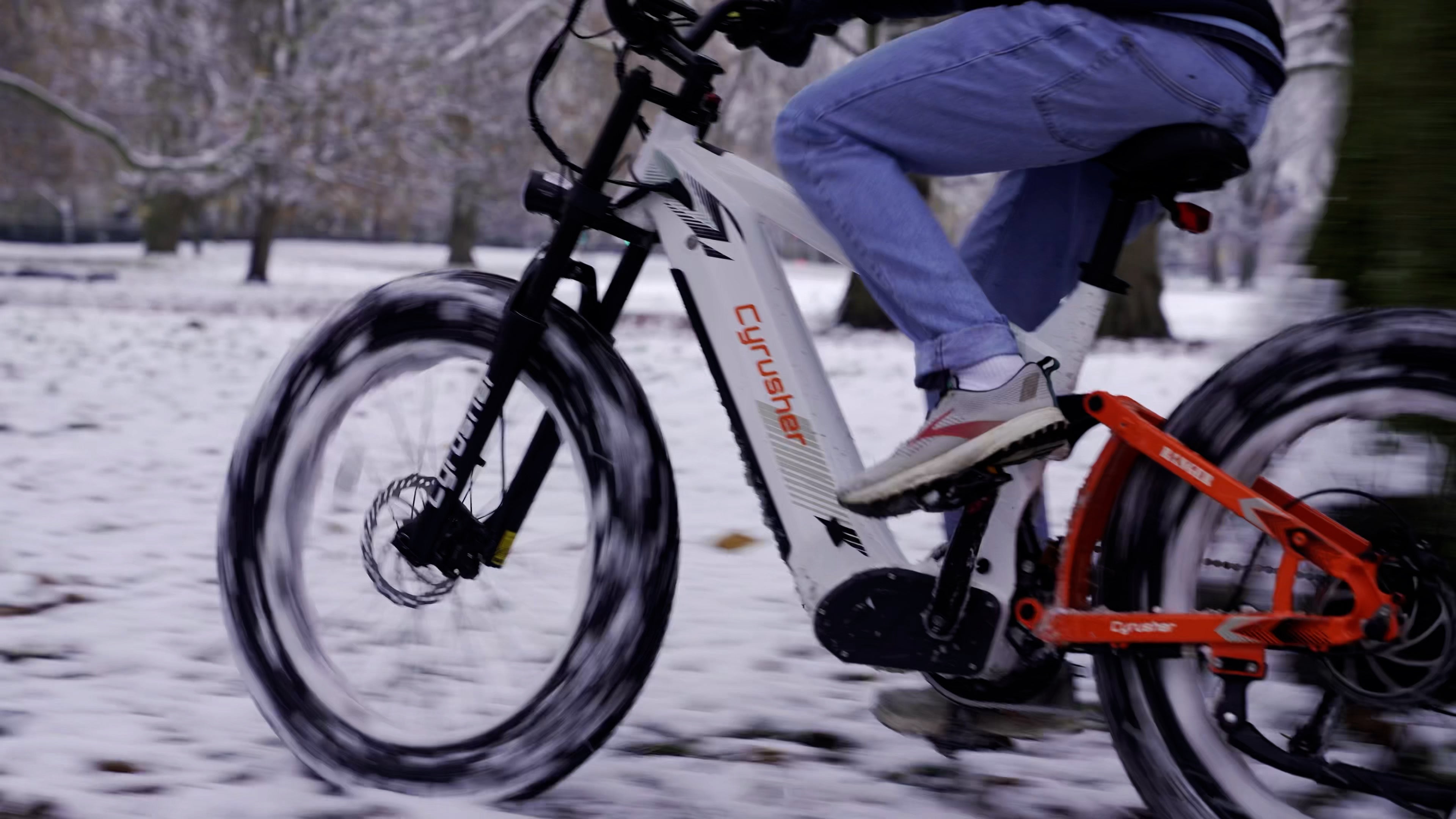
Riding an e-bike does not have to stop when temperatures drop. Winter e-bike riding is not only possible, but practical and rewarding when done with the right preparation and mindset. This guide explains everything riders need to know about riding an e-bike in winter, from performance changes and safety considerations to clothing strategies and bike preparation.
How Cold Weather Affects E-Bike Performance
Cold temperatures influence e-bike components in subtle but important ways.
Lithium-ion batteries are most affected, as chemical reactions inside the battery slow down in cold environments. This can temporarily reduce range, sometimes by 20 to 30 percent. The battery itself is not damaged by cold while riding, but it performs best when kept warm before and after use.
Motor performance remains stable in winter, as most motors are sealed and protected against moisture. However, cold grease inside mechanical components can increase resistance, making the bike feel slightly stiffer during the first few minutes of riding. Once in motion, performance quickly stabilizes.
Display screens may respond more slowly in freezing temperatures, and LCD screens can appear dimmer. These are normal winter behaviors and do not indicate long-term damage.
Can You Ride an E-Bike in Snow and Ice?
Light snow is manageable with the right setup. Packed snow often provides better grip than wet pavement, especially with wider tires. Ice, however, presents the greatest challenge. When ice is visible, reducing speed and avoiding sharp movements becomes essential.
Studded winter tires offer exceptional grip on icy surfaces and are commonly used by riders in colder regions. While not necessary for all climates, they provide confidence and control when ice is unavoidable.
Deep, loose snow can strain motors and reduce efficiency. In such conditions, riding at lower assist levels helps maintain traction and prevents wheel spin.

Is Riding an E-Bike in Winter Safe?
Yes, riding an e-bike in winter is safe when conditions are respected and the bike is properly prepared. However, be aware that riding in snowy conditions presents inherent challenges. Therefore, prepare in advance and carefully assess the riding environment. In extreme weather, it is advisable to minimize unnecessary outings.
Modern e-bikes are designed to handle variable weather, including rain, cold air, and light snow. The electric assist actually improves winter safety by providing smoother acceleration, better hill climbing, and reduced physical strain, especially when bulky winter clothing limits movement.
Winter safety is less about temperature and more about surface conditions and visibility. Cold air itself does not make riding dangerous, but ice, packed snow, and reduced daylight require more attention. Riders who adjust speed, braking distance, and riding posture can maintain control even in challenging conditions.
Preparing Your E-Bike for Winter Riding
A well-prepared e-bike makes winter riding significantly easier. Tires play a critical role, as traction determines safety. Wider tires with deeper tread patterns grip snow and slush more effectively. Lowering tire pressure slightly increases surface contact, improving stability without compromising control.
Brakes deserve special attention. Disc brakes perform reliably in winter, but brake pads wear faster due to moisture and grit from winter roads. Regular inspection ensures consistent stopping power. Mechanical parts should be lubricated with cold-weather-appropriate lubricants to prevent stiffness and corrosion.
Battery care is essential. We recommend storing the battery indoors at room temperature and installing it only when ready to ride. After the ride, allowing the battery to warm up before charging helps preserve long-term battery health. For long-distance rides, consider preparing spare batteries in advance to prevent unexpected power depletion mid-journey.
What to Wear When Riding an E-Bike in Winter
Winter e-bike clothing focuses on wind protection, insulation, and moisture management. Unlike traditional cycling, e-bike riders generate less body heat due to electric assistance, making proper layering more important.
A windproof outer layer blocks cold air, while insulated mid-layers retain warmth. Breathable materials prevent sweat buildup, which can lead to chilling during stops. Hands and feet are especially vulnerable to cold, so insulated gloves and thermal socks improve comfort and control.
Visibility becomes critical during winter months when daylight hours are shorter. Reflective elements and bright colors help ensure riders remain visible to drivers during early mornings and evenings.

How to Ride Well in Winter Weather
Winter riding requires smoother, more deliberate movements. Sudden acceleration or hard braking increases the risk of slipping on icy or wet surfaces. Electric assist should be used gradually, allowing the bike to build speed smoothly rather than abruptly.
Cornering requires a wider approach with reduced lean angle. Keeping the bike more upright improves tire grip. Riders should also increase following distance, as stopping distances increase on cold or slippery roads.
Standing up on pedals should be avoided on icy surfaces, as shifting weight suddenly can reduce traction. Remaining seated helps maintain balance and control.
How to Pick the Right E-Bike for Winter Riding
Choosing the right e-bike matters even more in winter. Cold temperatures, slippery roads, and heavier riding gear place higher demands on the bike. We focus on stability, power delivery, and durability when selecting a winter-ready e-bike.
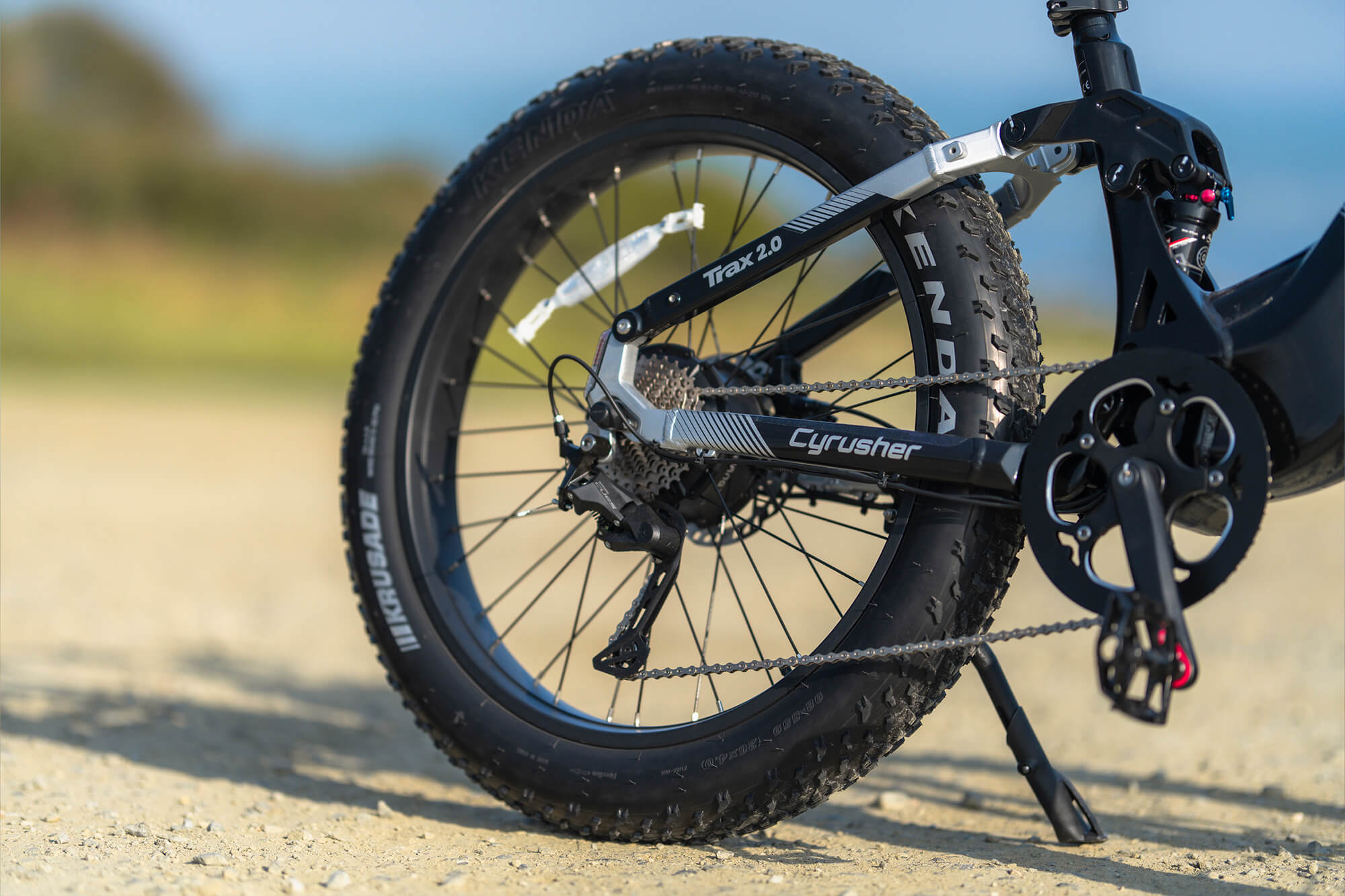
Tire size is one of the first things to consider. Wider tires provide better surface contact on snow, slush, and wet pavement, improving grip and confidence. Fat tires or wide all-terrain tires perform especially well in winter by spreading weight more evenly and reducing the chance of slipping.
Motor performance should be smooth rather than aggressive. A well-tuned motor that delivers gradual power helps maintain traction on icy or loose surfaces. High torque is useful for climbing winter hills, but controlled output is more important than raw power.
Battery capacity also plays a key role. Cold weather reduces range, so a larger battery helps offset winter losses. Removable batteries are ideal, allowing riders to store and charge them indoors to maintain performance and longevity.
Finally, frame design and riding position affect winter comfort. A stable frame geometry, upright posture, and good weight balance improve control when conditions are unpredictable. Integrated lights and fenders add practical value by improving visibility and keeping slush away from the rider.
Recommended E-Bike Models for Winter Riding
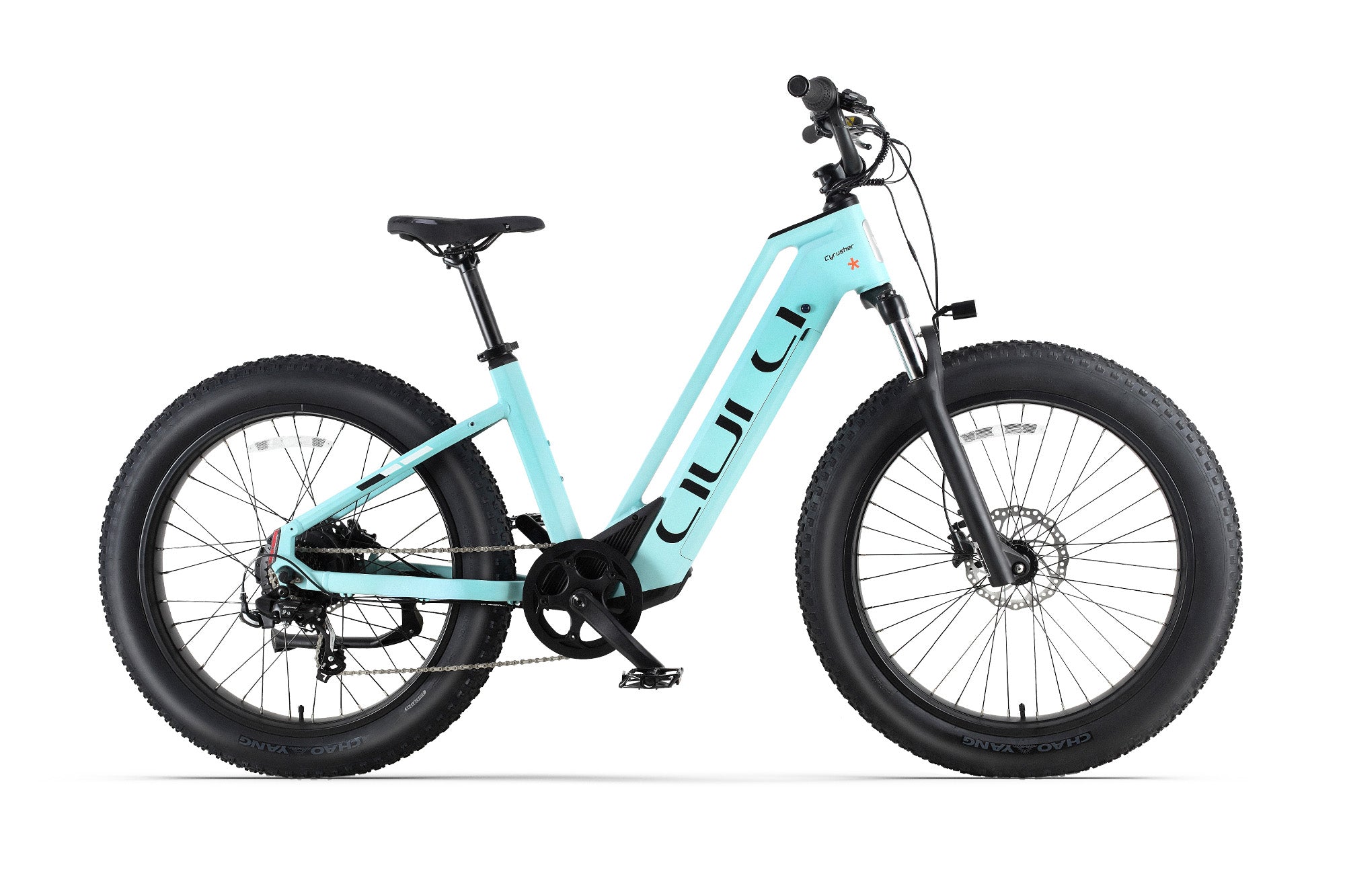
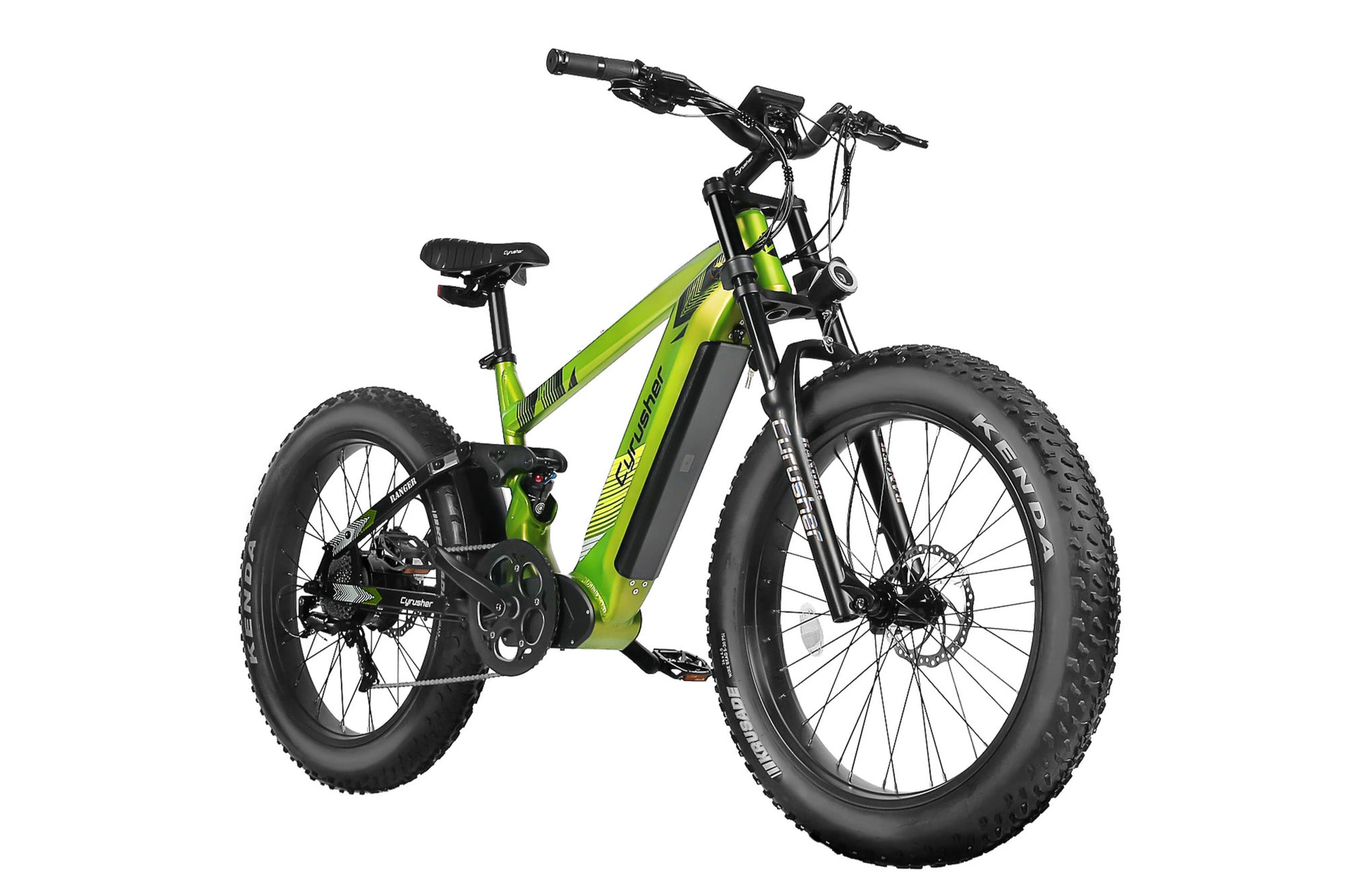
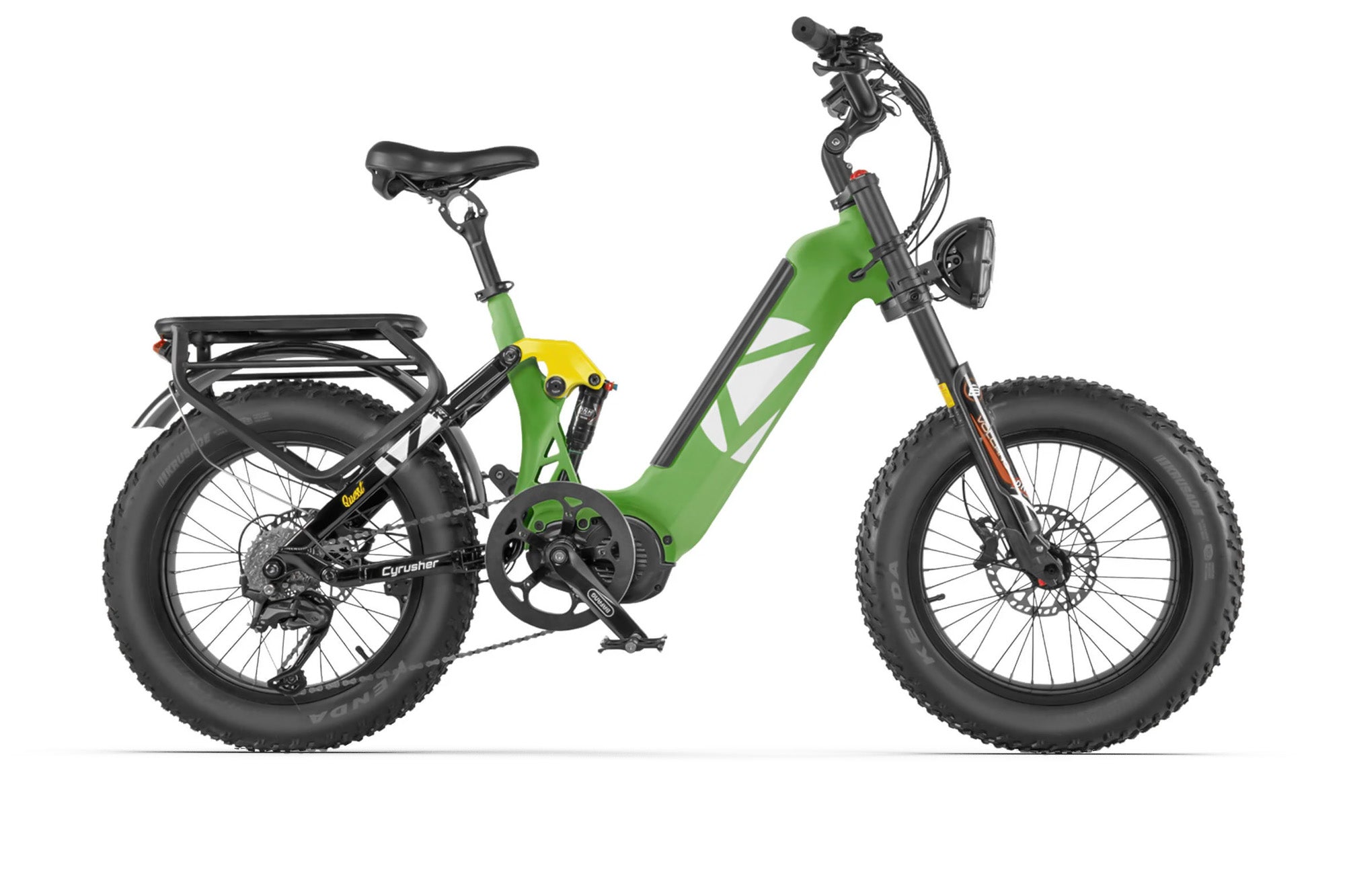
Certain e-bike designs naturally perform better in winter conditions. Below are three example models that represent different winter riding needs while maintaining comfort, safety, and reliability.
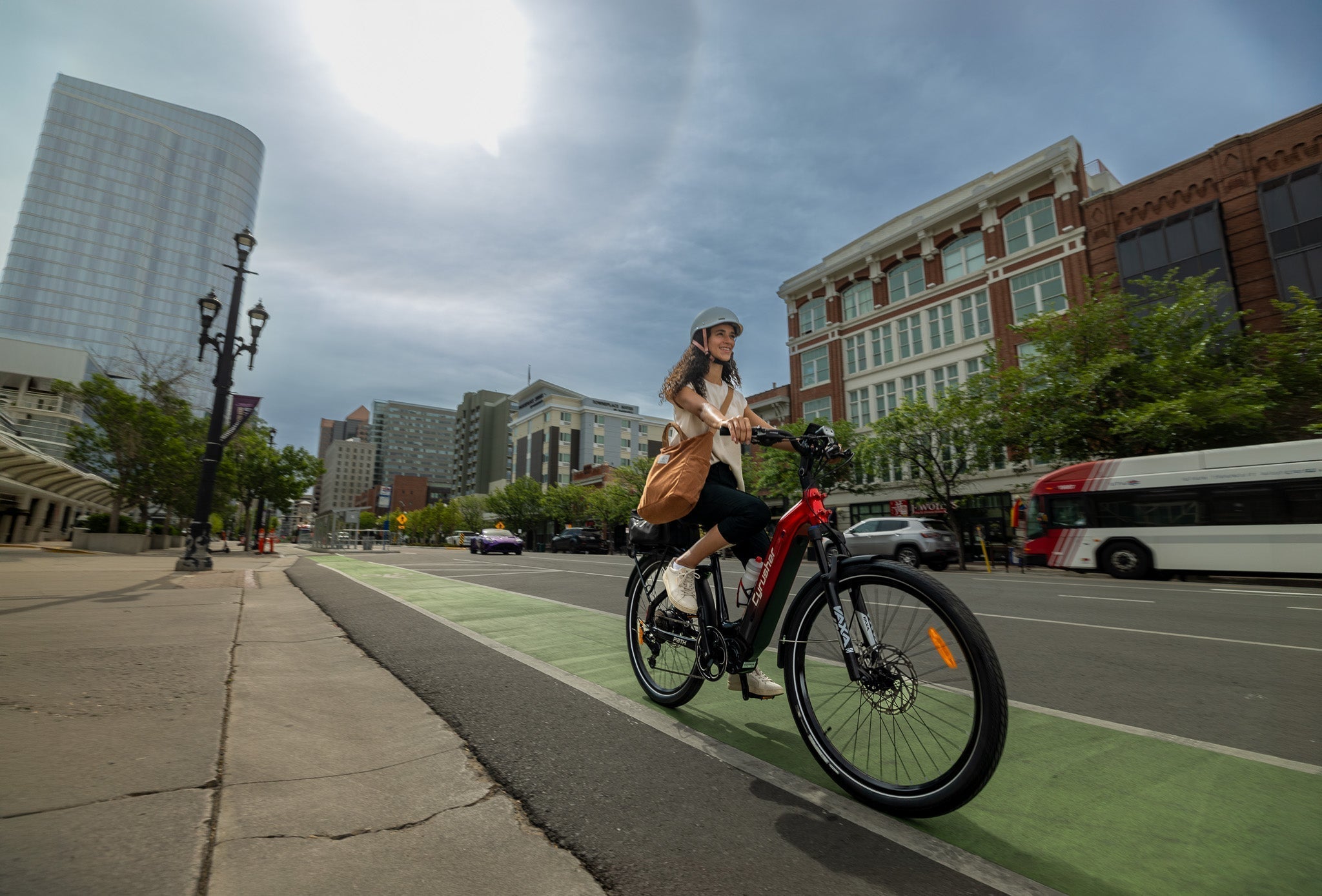
Aura is well-suited for riders who commute daily through cold and wet conditions. Its wide tires provide steady traction on slippery roads, while the 750w motor delivers smooth assistance without sudden surges. The larger battery helps maintain consistent range even in freezing temperatures, making it a dependable choice for winter commuting.

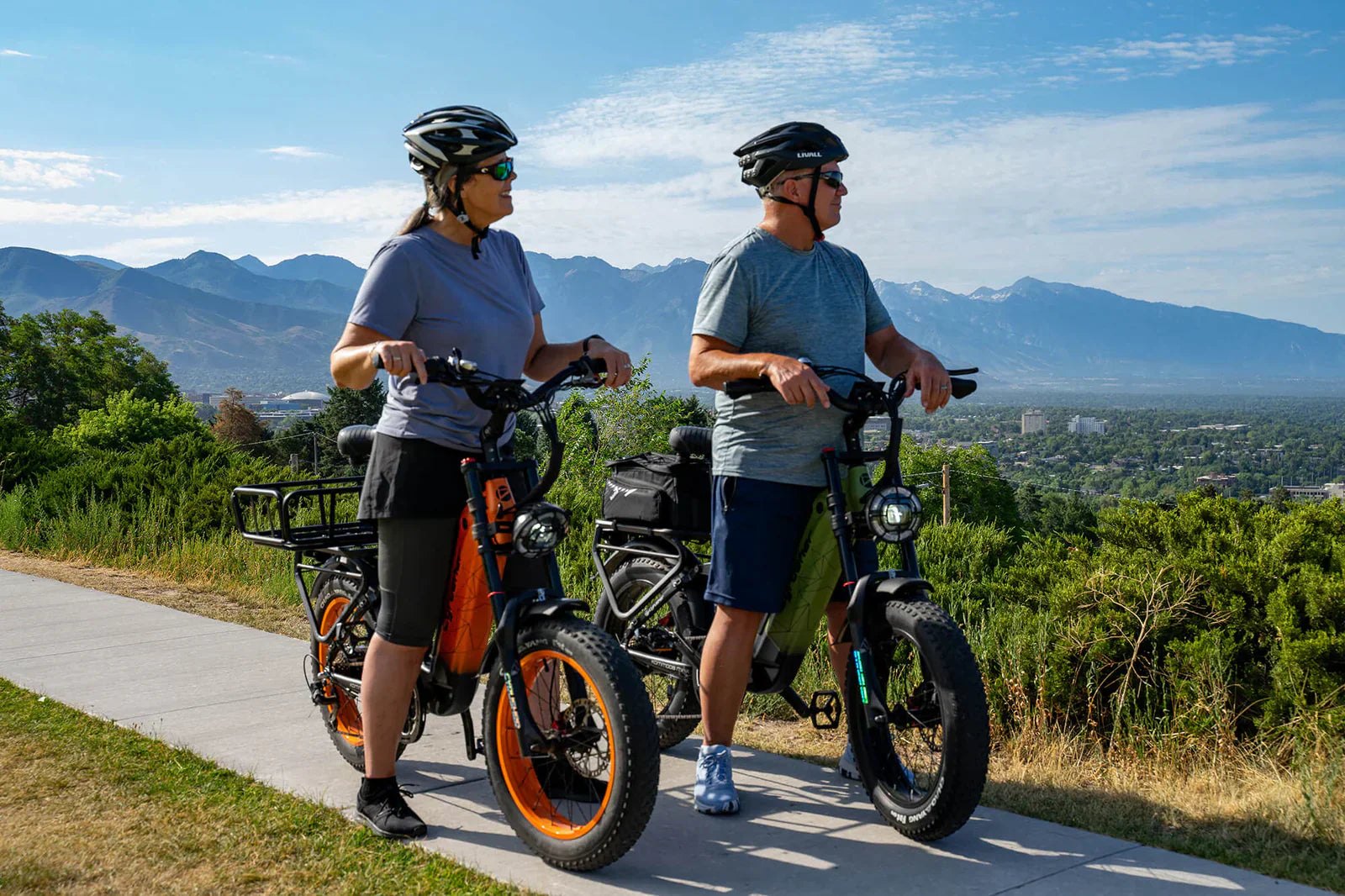
Ranger ebike is designed for riders who face snow-covered paths or uneven winter terrain. The frame offers extra stability, and the tire profile handles packed snow and slush with confidence. Ranger performs well in harsher winter environments where grip and balance are critical for safety.

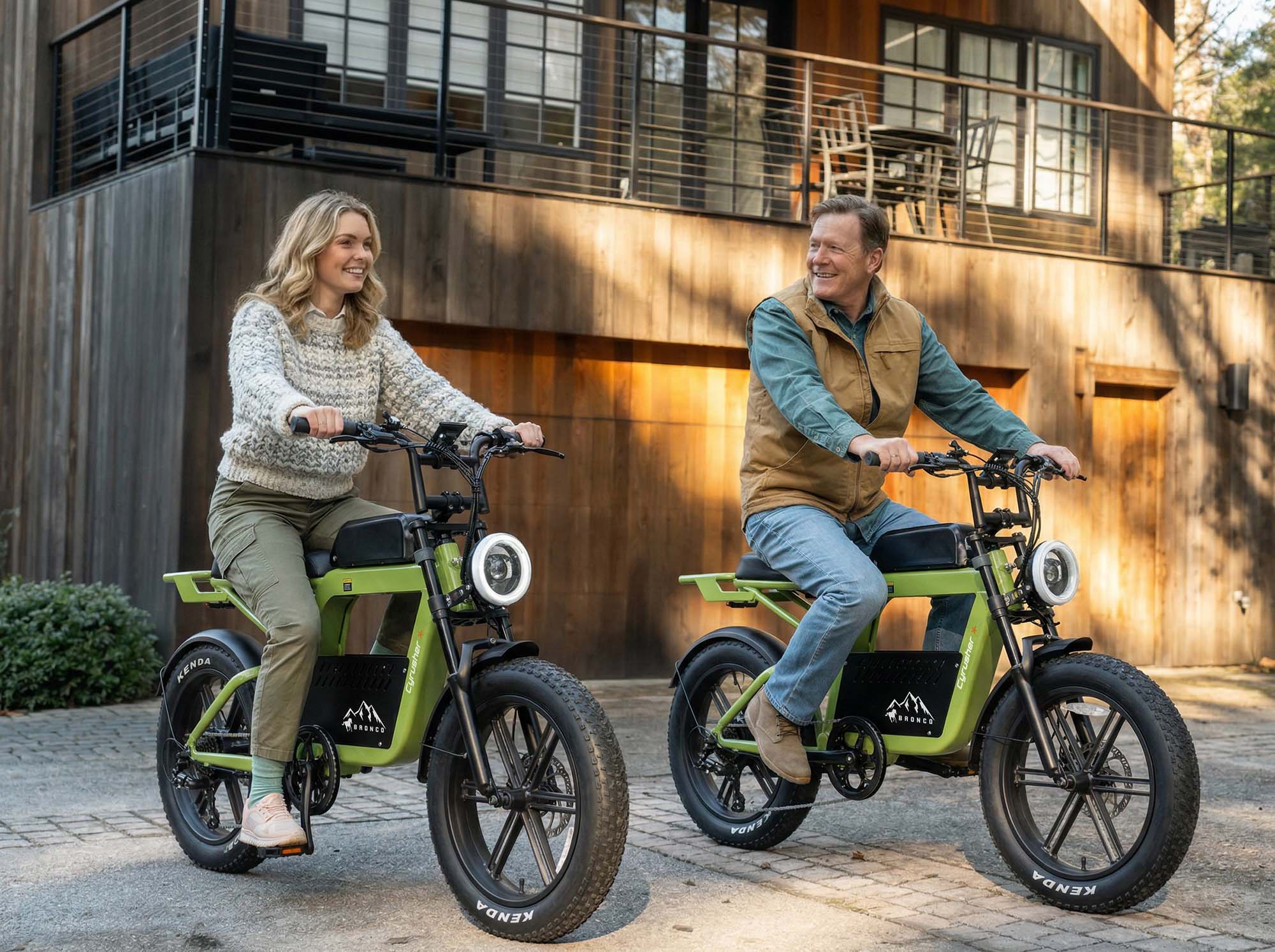
Quest ebike focuses on comfort and control for longer winter rides. Its upright geometry reduces strain when wearing heavier winter clothing, and the mid-drive motor system offers predictable power delivery on cold roads. This model is ideal for riders who want a smooth, controlled ride during extended winter journeys.

Each of these models reflects key winter priorities: traction, stable power, and battery reliability. Choosing a bike with these characteristics makes winter riding easier and more enjoyable.
Benefits of Riding an E-Bike in Winter
Winter e-bike riding offers unique advantages. Roads and bike paths are often less crowded, creating a calmer riding experience. Electric assistance reduces physical stress in cold air, making winter commuting more comfortable than traditional cycling.
Riders who continue through winter maintain consistency, avoiding the loss of fitness and routine that often occurs during cold months. From an environmental perspective, replacing car trips with e-bike rides during winter reduces emissions year-round.
For many commuters, winter e-bike riding becomes a reliable alternative to delayed public transport and traffic congestion.
Common Winter E-Bike Mistakes to Avoid
Ignoring battery care is one of the most common mistakes. Leaving the battery exposed to freezing temperatures overnight reduces performance and lifespan.
Overdressing can also cause sweating, leading to discomfort once the body cools down. Overinflating tires reduces traction on slick surfaces, while ignoring studs limits handling on packed snow.
Another frequent issue is riding too fast. Winter conditions demand patience and awareness. Slowing down increases reaction time and reduces accident risk. Skipping post-ride cleaning allows salt and moisture to corrode components, shortening the bike’s lifespan. Don't forget to use fenders to block most of the splashes from damaging your bike frame.
Riding an e-bike in winter is not a compromise; it is an adaptation. With proper preparation, thoughtful riding habits, and seasonal awareness, winter becomes a reliable and rewarding time to stay mobile on two wheels. We believe year-round e-bike riding transforms how people commute, explore, and stay active regardless of the season.
People Also Asked
Can an e-bike battery freeze in winter?
No, but cold temperatures temporarily reduce battery range and performance.
Do e-bikes work in snow?
Yes, especially with wide tires and careful riding technique.
How far can an e-bike go in winter?
Winter range is usually 20–30% shorter than in warm weather.
Should I remove my e-bike battery in cold weather?
Yes, removing and storing it indoors improves battery health.




Share:
How to Make Your Commute More Comfortable
How to Charge an E-Bike Battery in Winter