
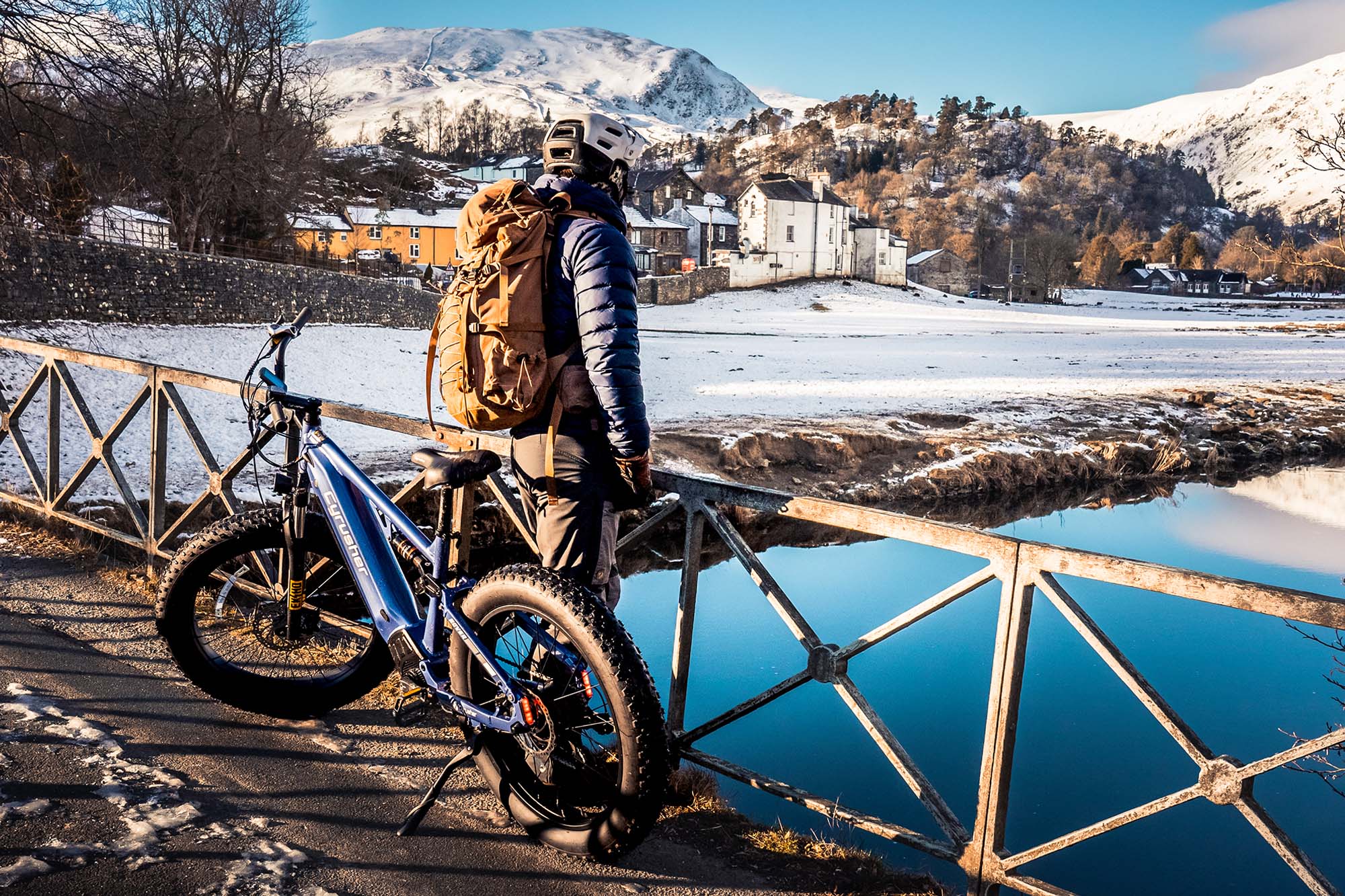
Winter riding can feel intimidating. In 2026, winter e-bikes are smarter, stronger, and more comfortable than ever before. This guide is not just about recommendinge ebike models. It’s about helping you understand what really matters when choosing the best winter e-bike, so your money goes toward something that actually works when temperatures drop.
Why Winter Riding Is Different on an E-Bike
Cold Temperatures and Battery Performance
Batteries and cold weather have never been best friends. When temperatures drop, lithium batteries lose efficiency, which means less range. A ride that feels easy in summer may suddenly demand more planning in winter.
Traction, Stability, and Road Conditions
Winter roads are unpredictable. One block might be dry, the next icy. Good winter e-bikes are designed to stay planted, offering better grip and stable handling. Think of it like winter boots versus sneakers. One slips, the other keeps you upright.
Comfort Challenges in Winter Commutes
Cold wind, stiff joints, and bulky clothing can turn a short ride into a struggle. Winter e-bikes aim to reduce physical strain, letting the motor do more of the work while keeping your body relaxed and warm.
What Makes a Good Winter E-Bike in 2026
Motor Power and Torque
In winter, smooth power delivery matters more than raw speed. Motors with higher torque help you start gently on snow-covered roads without spinning the rear wheel. In 2026, many winter e-bikes focus on controlled acceleration rather than aggressive bursts.
Battery Capacity and Cold-Weather Protection
A larger battery doesn’t just mean longer range. In winter, it also means stability. A higher-capacity battery experiences less stress per ride, which helps maintain performance even when temperatures drop below freezing.

Tires, Brakes, and Safety Essentials
tires and brakes are your main connection to the road. Winter e-bikes usually prioritize wider tires and powerful braking systems. The increase in rain and snow during the winter months creates more slippery road conditions, so a fat tire with more grip is needed to increase the road contact area, thus improving cycling safety. The same goes for the braking system, which provides more responsive braking in more unfavourable road conditions to help avoid riding risks.
- Fat tires vs Standard tires in Winter
Fat tyes float better on snow and provide excellent grip. They are ideal for riders dealing with heavy snowfall. Standard tires, when paired with winter tread, work well in cities where roads are cleared regularly.
Lights
Riding conditions are affected by the shorter daylight hours in winter, and adequate lighting conditions can help effectively in dimly lit winter conditions. Choose a model that offers a reliably illuminated headlight to enhance cycling safety. Lighting also makes it easier to distinguish yourself on the road and reduces risk.
2026 Best Winter E-Bikes
Budget-Friendly Winter E-Bikes: Rumble
Rumble is designed for riders who want winter reliability without a premium price tag. It offers a moderate motor, a decently sized (48V 18Ah) battery, and wider tires suitable for light snow and wet roads.
Performance-wise, Rumble shines in short commutes and casual rides. It doesn’t aim to conquer deep snow, but it handles cold mornings and slippery pavement confidently. This model is ideal for beginners or budget-conscious riders who still want winter capability.

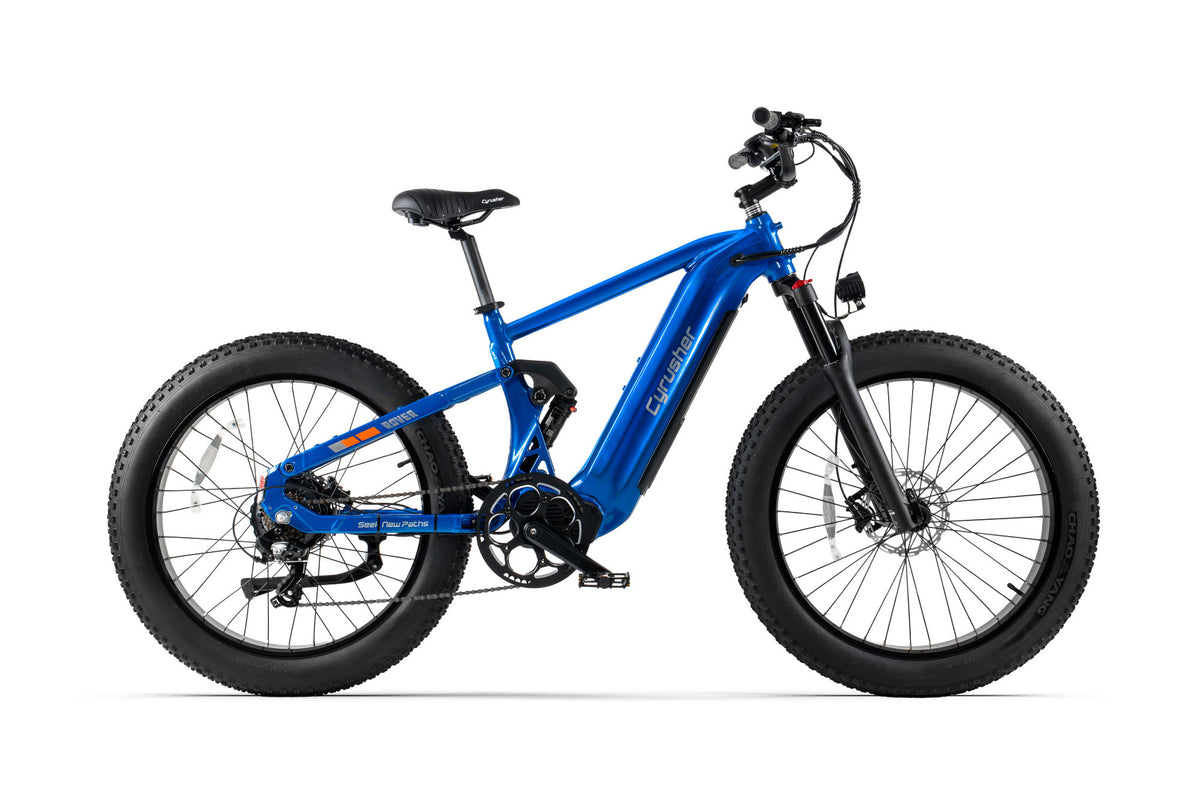
Mid-Range Winter E-Bikes: Rover
Rover hits the sweet spot between price and performance. It features a higher-torque motor, improved suspension system, and better braking systems. This bike feels composed in winter conditions, offering smooth power delivery that keeps traction under control.

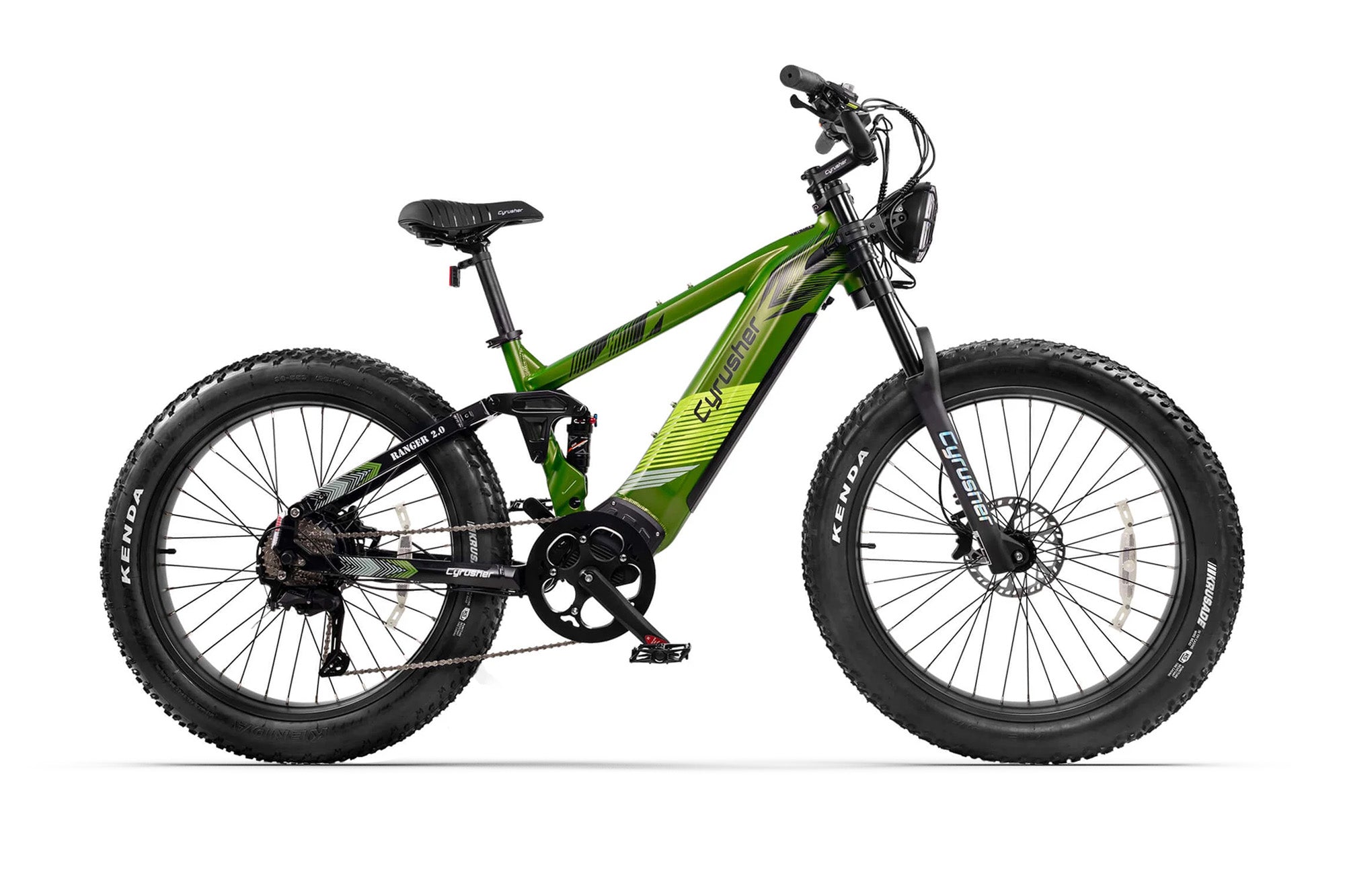
Built for Harsh Conditions: Ranger 2.0
Ranger 2.0 is built like a winter tank. High-capacity battery, advanced motor control, fat tires, and reinforced frame design all work together to handle snow, ice, and freezing temperatures.
Ranger 2.0 is perfect for riders who face extreme winter conditions or want maximum confidence regardless of weather. It’s more expensive, but it delivers peace of mind that budget models can’t always match.

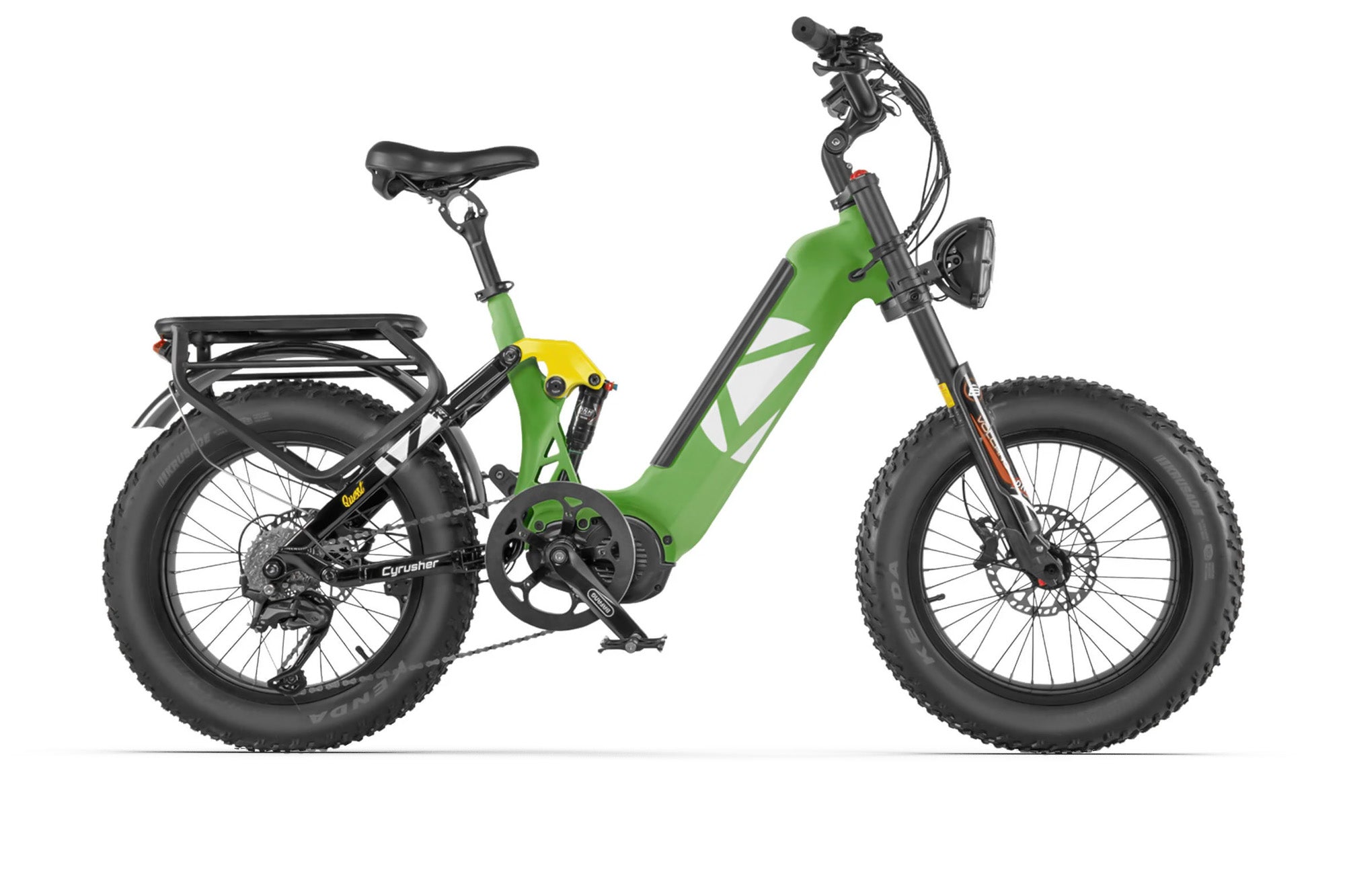
Best for Off-Road and Snow Trails: Quest
Quest is designed for riders who see winter as an opportunity, not an obstacle. With aggressive tires, high torque, mid drive system, and reinforced suspension, it handles snow-covered trails and uneven terrain confidently. If you enjoy exploring beyond paved roads during winter, Quest is built to keep up.

Battery Care Tips for Winter E-Bike Owners
Charging Habits in Cold Weather
Always charge your battery indoors at room temperature. Cold charging can reduce battery lifespan significantly. In winter, a little patience goes a long way.
Storage Tips to Extend Battery Life
When not riding, store the battery inside. Treat it like your smartphone. You wouldn’t leave that outside in freezing temperatures, right?
How to Choose the Right Winter E-Bike for You
Matching Your Riding Style to the Bike
Think about how you ride in winter. Short commutes, long trails, or mixed use all demand different features. The best winter e-bike is the one that fits your daily habits.
Understanding Local Winter Conditions
Light snow and cold rain require different setups than deep snow and ice. Choose a bike that matches your local climate, not just the most powerful option available.
Budget vs Long-Term Value
A cheaper bike may work for one winter, but a well-built winter e-bike can last for years. Sometimes spending a bit more saves money in the long run.
Conclusion
The best winter e-bike in 2026 isn’t just about power or price. It’s about balance. A good winter e-bike supports you when conditions are tough, keeps you comfortable, and gives you confidence to ride when others choose not to. Whether you’re commuting, exploring, or just enjoying the ride, the right winter e-bike can make cold weather feel like an advantage rather than a barrier.
FAQs
1. Are e-bikes safe to ride in winter?
Yes, with proper tires, brakes, and cautious riding, winter e-bikes are safe and reliable.
2. How much range do e-bikes lose in winter?
Expect 15–30% less range due to cold temperatures.
3. Do I need fat tires for winter riding?
Not always. Fat tires help in deep snow, but winter tread tires work well in cities.
4. Can I leave my e-bike outside in winter?
It’s better to store it indoors, especially the battery, to avoid damage.
5. Is a winter e-bike worth the investment?
If you ride regularly year-round, a winter-ready e-bike offers strong long-term value.



Share:
How to Charge an E-Bike Battery in Winter
Tips for Safe E-Bike Riding in Winter