
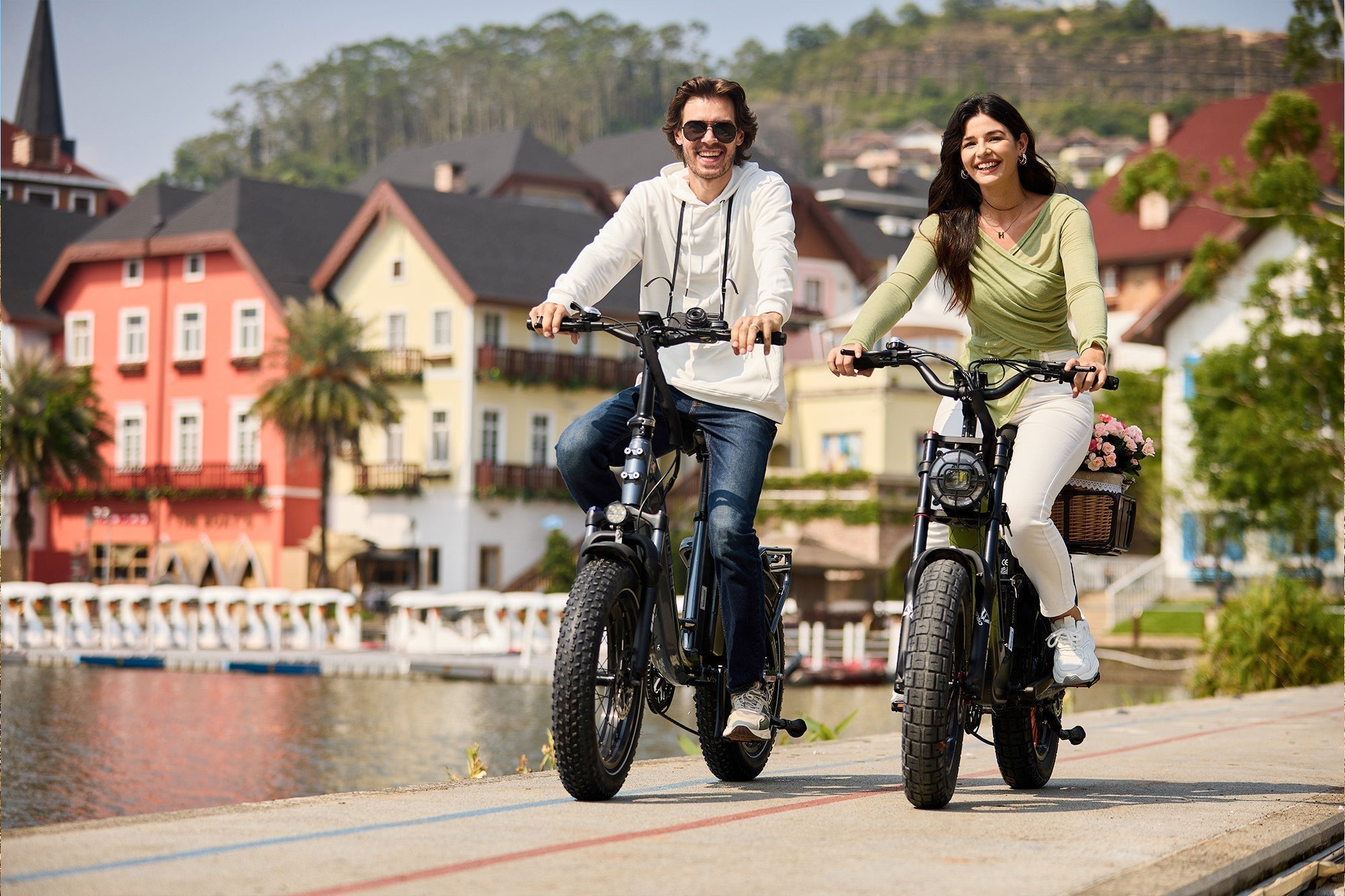
For many people, commuting is the least enjoyable part of the day. Long travel times, traffic congestion, crowded public transport, and physical fatigue can slowly drain energy before the workday even begins. E-bikes have quietly reshaped how people approach commuting. Understanding how e-bikes improve comfort—and how to choose the right one—can completely change your daily routine.
The Hidden Cost of an Uncomfortable Commute
An uncomfortable commute often feels normal because it is so common. Standing in traffic, gripping a steering wheel, or squeezing into a crowded train becomes routine. However, discomfort accumulates. Sitting too long in a car can cause stiffness and back pain, while traditional cycling over long distances can strain knees and shoulders, especially for commuters who are not trained cyclists.
Mental fatigue is another overlooked factor. Stop-and-go traffic and unpredictable delays increase stress levels before the day even starts. Over time, this daily stress can affect concentration, patience, and overall job satisfaction. A more comfortable commute is not just about physical ease—it is also about mental calm and a sense of control over your time.
How E-Bikes Make Commuting Easier
- Reduce physical effort
E-bikes assist your pedaling with a motor, which immediately reduces physical effort. Hills become manageable, headwinds lose their power, and longer distances feel shorter. This assistance allows riders to maintain a steady pace without overexertion, making the commute feel smooth rather than demanding.

- Predictability
Another major advantage is predictability. Unlike cars, e-bikes are not affected by traffic jams in the same way. Unlike public transport, they are not tied to schedules or delays. This reliability reduces mental stress and helps commuters feel more in control of their day. Knowing exactly how long your commute will take is a surprisingly powerful comfort factor.
- Maintain image
E-bikes also help riders arrive presentable. Because the motor reduces effort, riders are less likely to arrive sweaty or exhausted. This makes e-bikes especially appealing for office workers, older riders, or anyone who wants comfort without sacrificing professionalism.
Why choose e-bikes for commuting
Physical Comfort
One of the biggest barriers to traditional cycling is physical strain. Repeated pressure on the knees, wrists, and lower back can make daily riding uncomfortable. E-bikes reduce this strain by allowing riders to pedal at a comfortable cadence rather than pushing hard through resistance.
Modern commuter e-bikes are also designed with comfort in mind. Upright riding positions reduce pressure on the lower back and neck. Wider saddles distribute weight more evenly, while suspension components absorb vibrations from rough roads. These design elements work together to create a ride that feels stable and forgiving, even on uneven city streets.

For commuters who have joint sensitivity or limited mobility, e-bikes provide a level of accessibility that traditional bikes cannot. The ability to adjust assistance levels means riders can tailor the ride to how they feel on any given day, making commuting more flexible and sustainable.
Mental Comfort
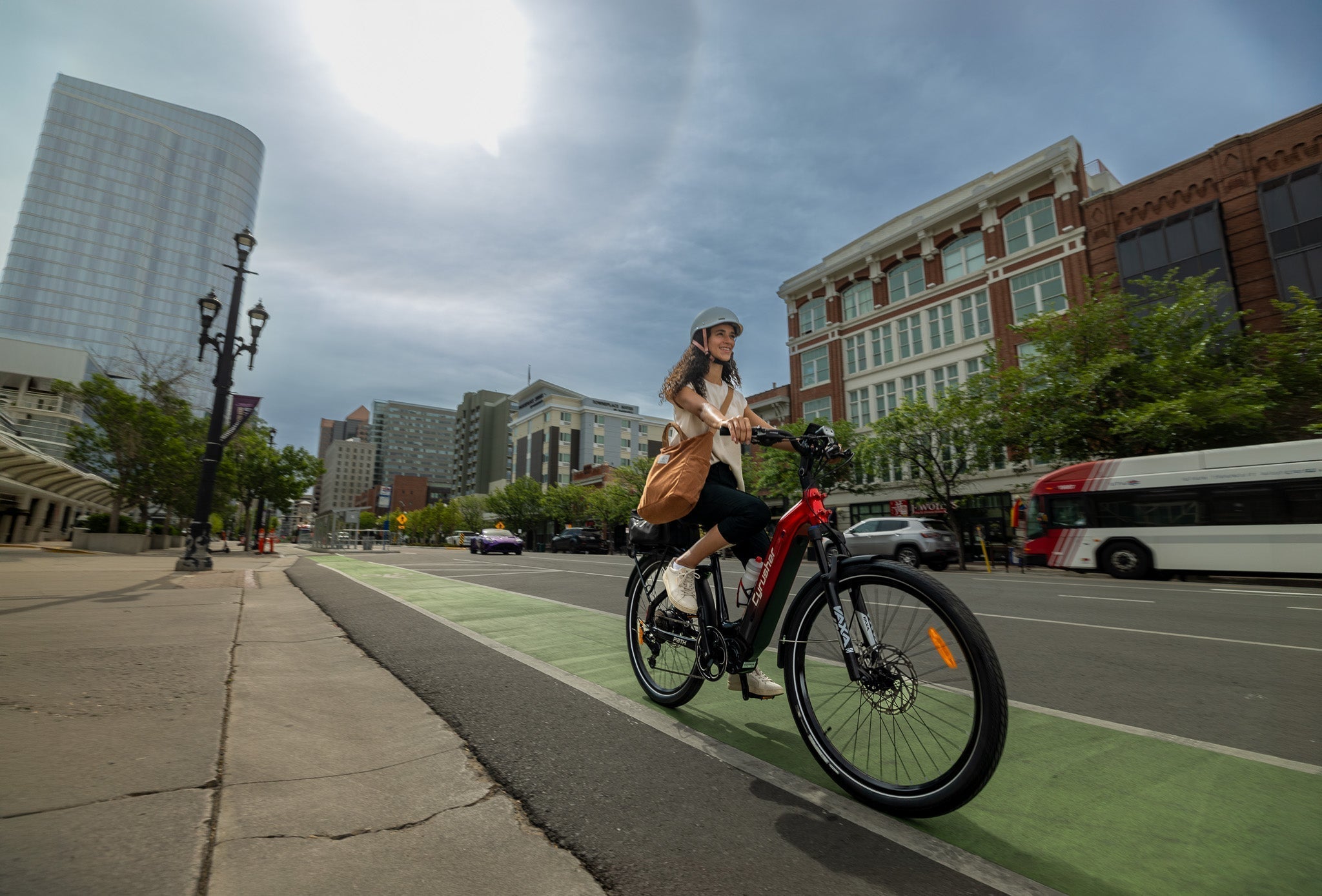
Beyond physical comfort, e-bikes offer mental relief. Riding through traffic on a bicycle lane or side street often feels calmer than sitting inside a car surrounded by noise and congestion. The act of riding, combined with fresh air and movement, helps reduce stress and improve mood.
Unlike driving, e-bike commuting encourages awareness without constant tension. Riders are engaged but not overwhelmed. This balance creates a sense of flow that many commuters describe as one of the most enjoyable parts of their day. Over time, this positive experience can change how people feel about commuting altogether.
Daily Practicality
Comfortable commuting must also be practical. Many people worry that e-bikes are only suitable for perfect weather. In reality, e-bikes often handle daily conditions better than expected. Motor assistance makes it easier to ride against wind or light rain without fatigue. With proper accessories, such as fenders and integrated lights, e-bikes remain practical year-round.

Because e-bikes reduce effort, riders are less affected by heavy clothing in colder months. Wearing a jacket or gloves does not significantly increase fatigue, which makes seasonal commuting more manageable. This adaptability is a key reason many commuters stick with e-bikes long-term.
Time Efficiency
E-bikes allow riders to maintain a consistent speed without rushing. This reduces the pressure to constantly check the clock or take risks in traffic. Arriving on time without feeling rushed contributes significantly to mental comfort.
Because e-bikes shorten perceived distance, commuters often feel less pressure to live close to work. This flexibility can open up better housing options or allow people to enjoy quieter neighborhoods without sacrificing commute quality.
How to Choose the Right E-Bike
Comfort depends heavily on choosing the right e-bike for your needs. Commuters should consider riding posture, motor performance, and overall ride stability rather than focusing only on top speed or range. A well-matched e-bike feels like an extension of your body rather than a machine you need to fight against.
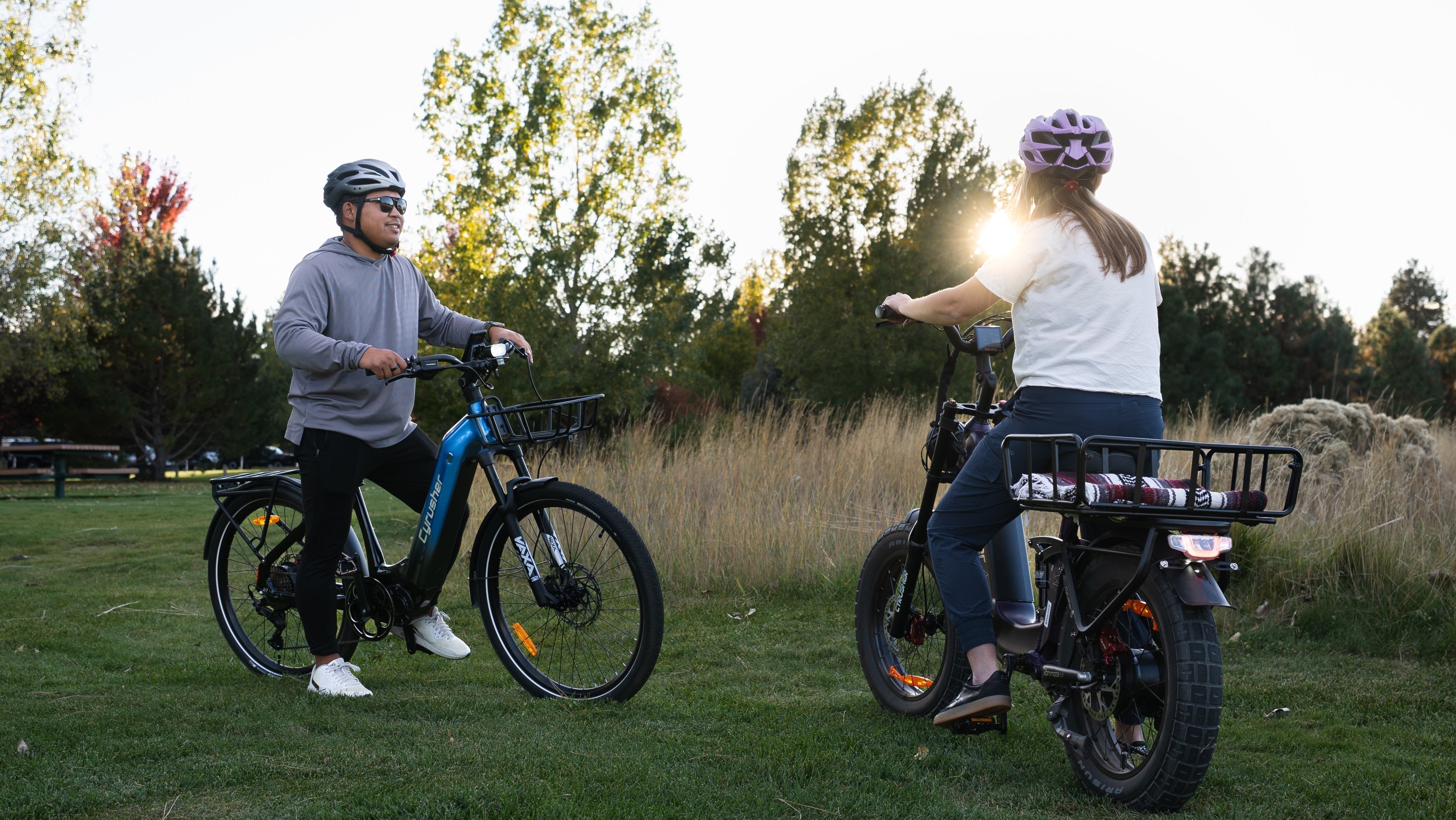
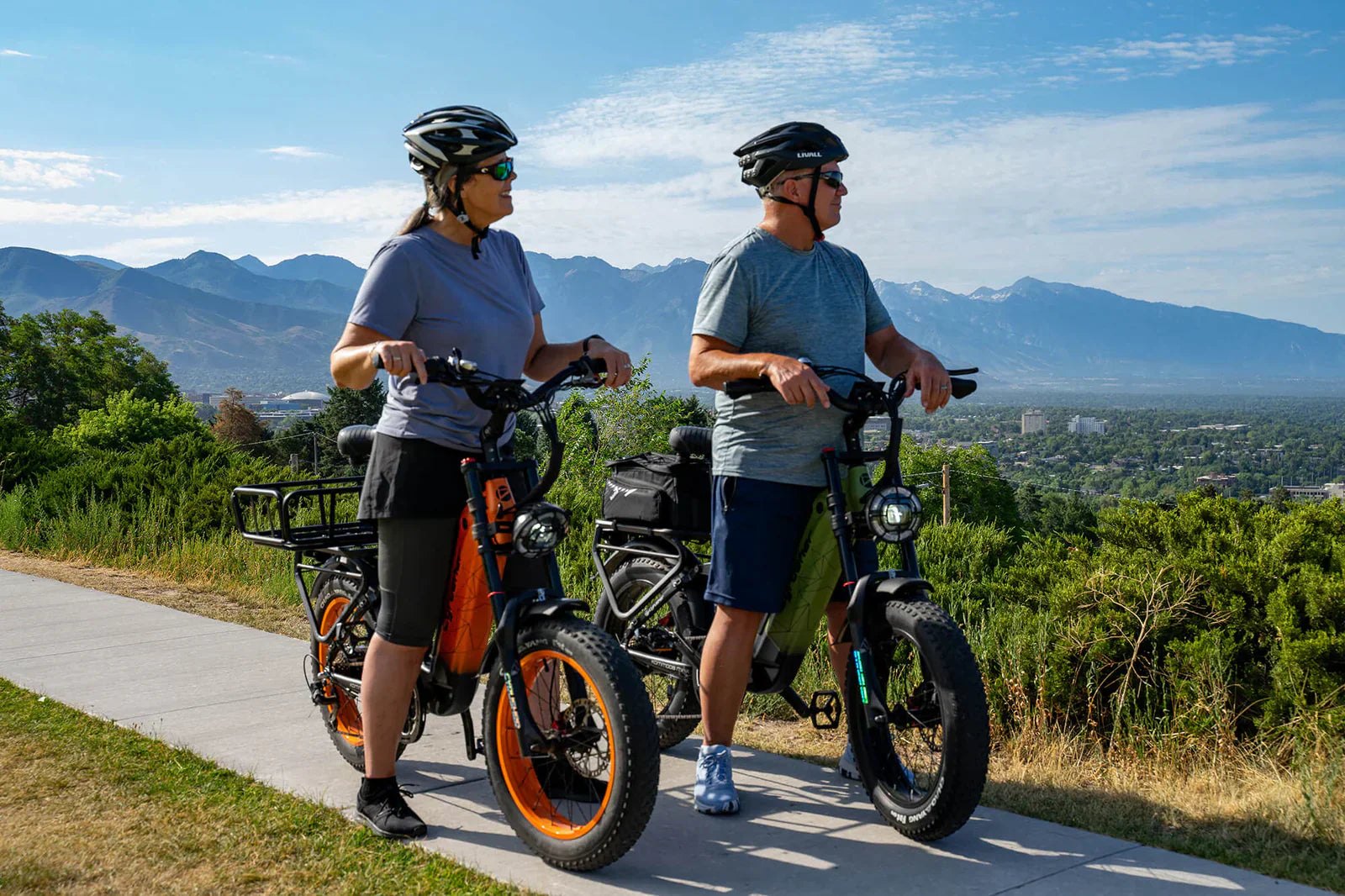
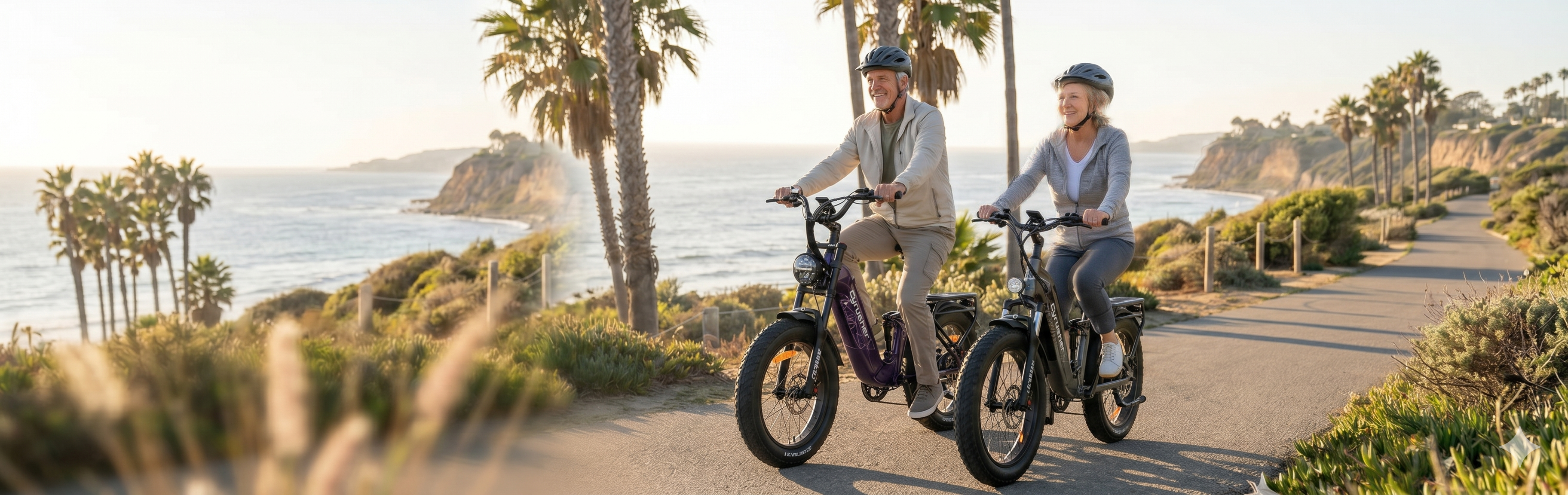
Rumble step-through ebike is a example of a commuter e-bike designed with comfort as a priority. It features an upright geometry that supports natural posture, making it ideal for longer rides or riders who prefer minimal strain on the back and shoulders. The motor assistance is smooth and predictable, which helps maintain a steady rhythm during stop-and-go city riding. For daily commuters who value consistency and ease, Rumble ebike offers a balanced and reassuring experience.

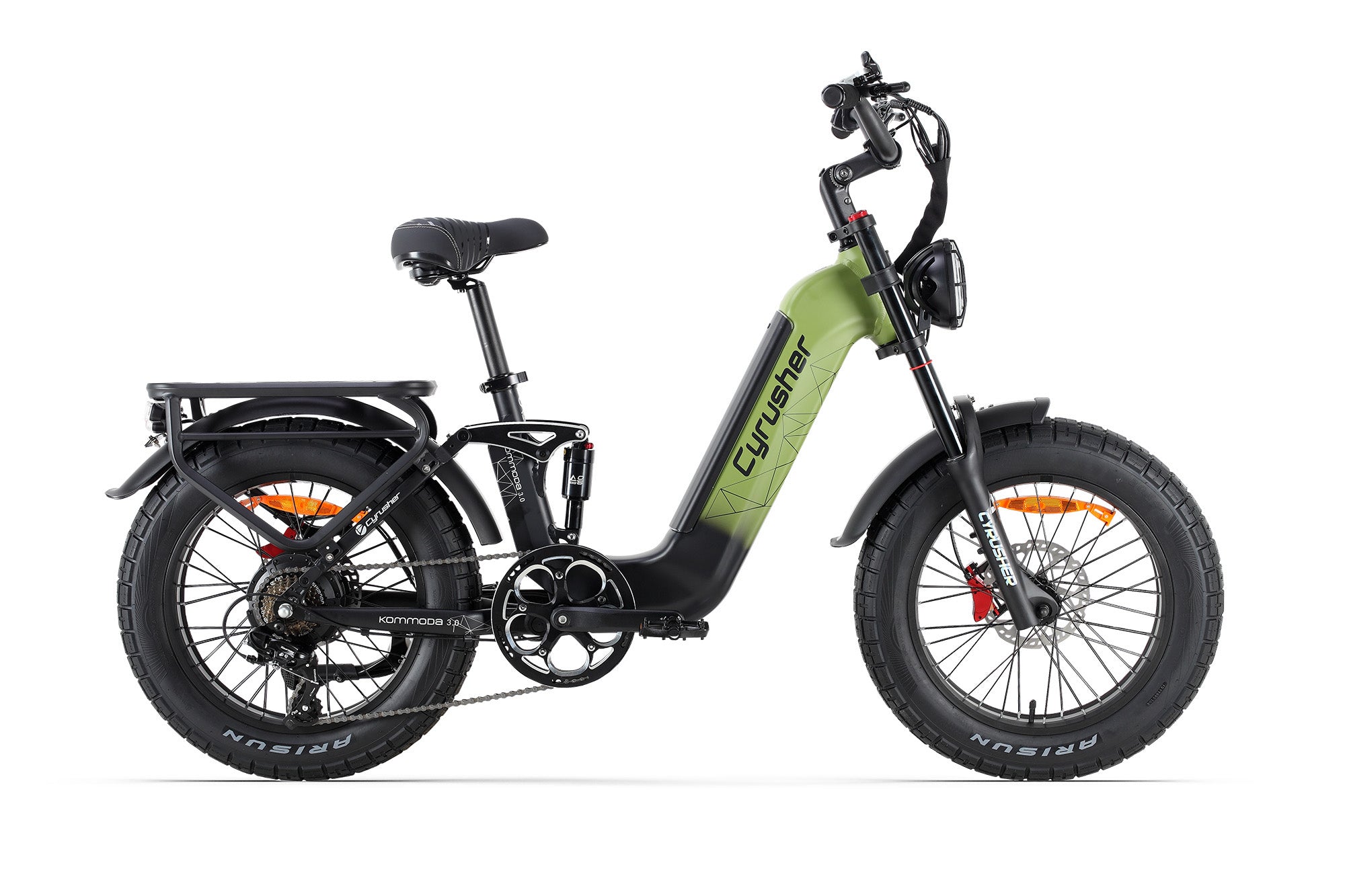
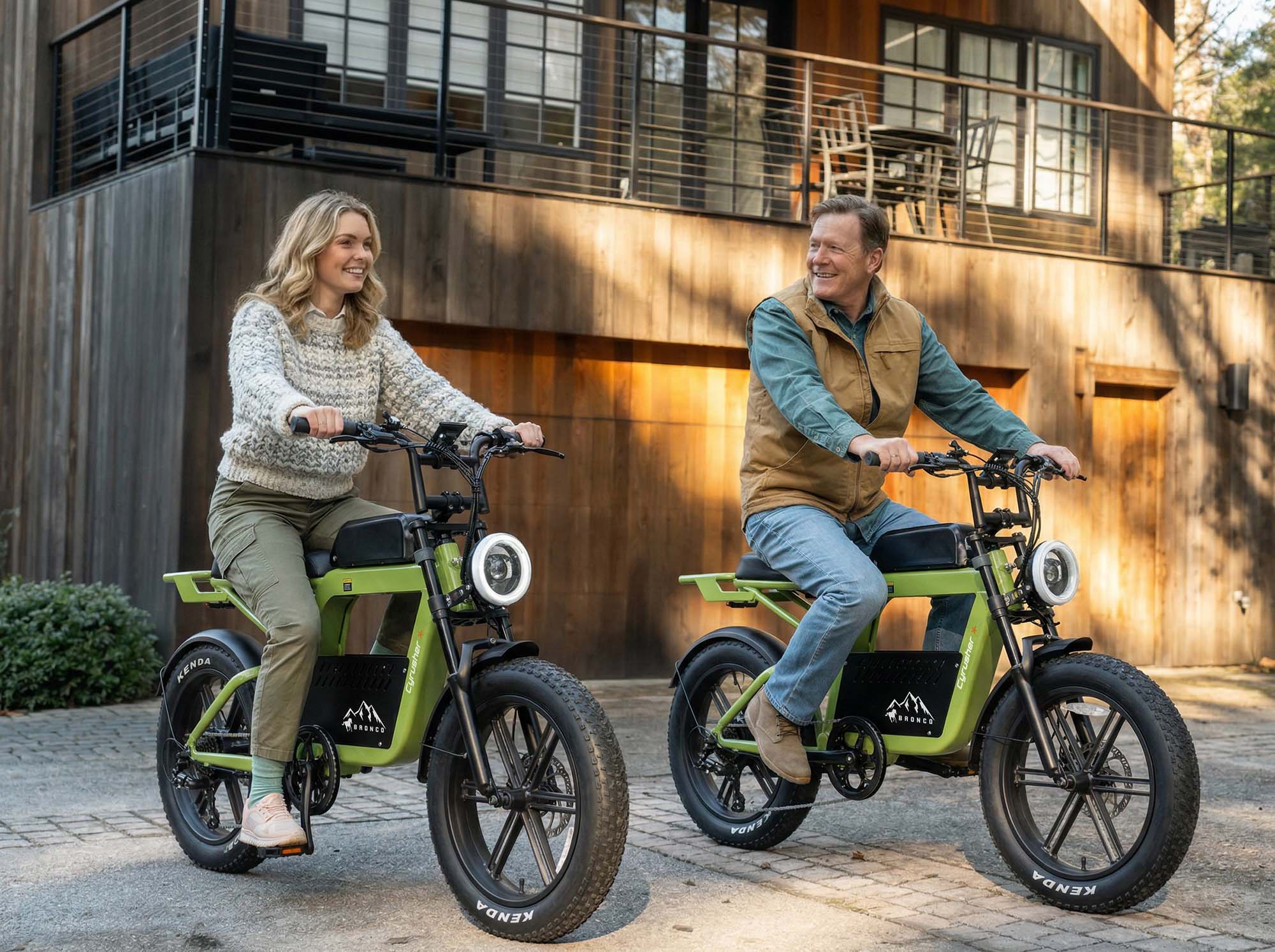
Kommoda 3.0 ebike takes a slightly different approach by focusing on versatility and shock absorption. With full suspension and wider tires, it handles rough pavement, uneven bike lanes, and mixed urban surfaces with ease. This makes it especially suitable for commuters whose routes include older roads or poorly maintained infrastructure. Kommoda 3.0 ebike prioritizes ride stability, which increases confidence and reduces fatigue over longer distances.

Both models demonstrate how thoughtful design can transform commuting from a daily challenge into a manageable routine. Rather than forcing riders to adapt to the bike, these e-bikes adapt to the rider’s comfort needs.
Long-Term Comfort and Lifestyle Impact
People who enjoy their commute are more likely to maintain regular schedules, feel less burnout, and even improve their overall fitness without structured exercise routines. E-bike commuting integrates gentle physical activity into daily life without the barriers of fatigue or recovery time.
This balance makes e-bikes especially appealing for middle-aged and older commuters, as well as those returning to cycling after long breaks. Comfort becomes the key factor that allows commuting to remain enjoyable rather than demanding.
Comfortable commuting should not be an exception reserved for weekends or special circumstances. With the right approach and the right equipment, it can become the standard. E-bikes represent a shift away from endurance-based commuting toward comfort-based mobility.
By reducing physical strain, minimizing stress, and offering reliable travel times, e-bikes help commuters reclaim control over one of the most repetitive parts of daily life.
Conclusion
Improving your commute is not about traveling faster at all costs. It is about arriving in better condition—physically and mentally—than when you left. E-bikes make this possible by blending assistance, thoughtful design, and everyday practicality.
When commuting becomes comfortable, it stops feeling like wasted time and starts becoming a positive part of the day. For many riders, an e-bike is not just a vehicle; it is a tool that quietly improves daily life.
FAQ
Are e-bikes suitable for daily commuting?
Yes, e-bikes provide reliable, comfortable, and fatigue-free transportation for everyday commuting needs.
Do e-bikes need frequent maintenance?
No, e-bikes require minimal maintenance, mainly basic bike care and occasional professional servicing.
Are e-bikes safe for city traffic?
Yes, with proper lighting, brakes, and bike lanes, e-bikes are safe for urban commuting.
Why are e-bikes more comfortable than regular bikes?
Electric assist, ergonomic design, and smoother acceleration significantly reduce physical strain.



Share:
How to Choose the Right E-Bike for Joint Health
Can I Ride an E-Bike in The Snow?